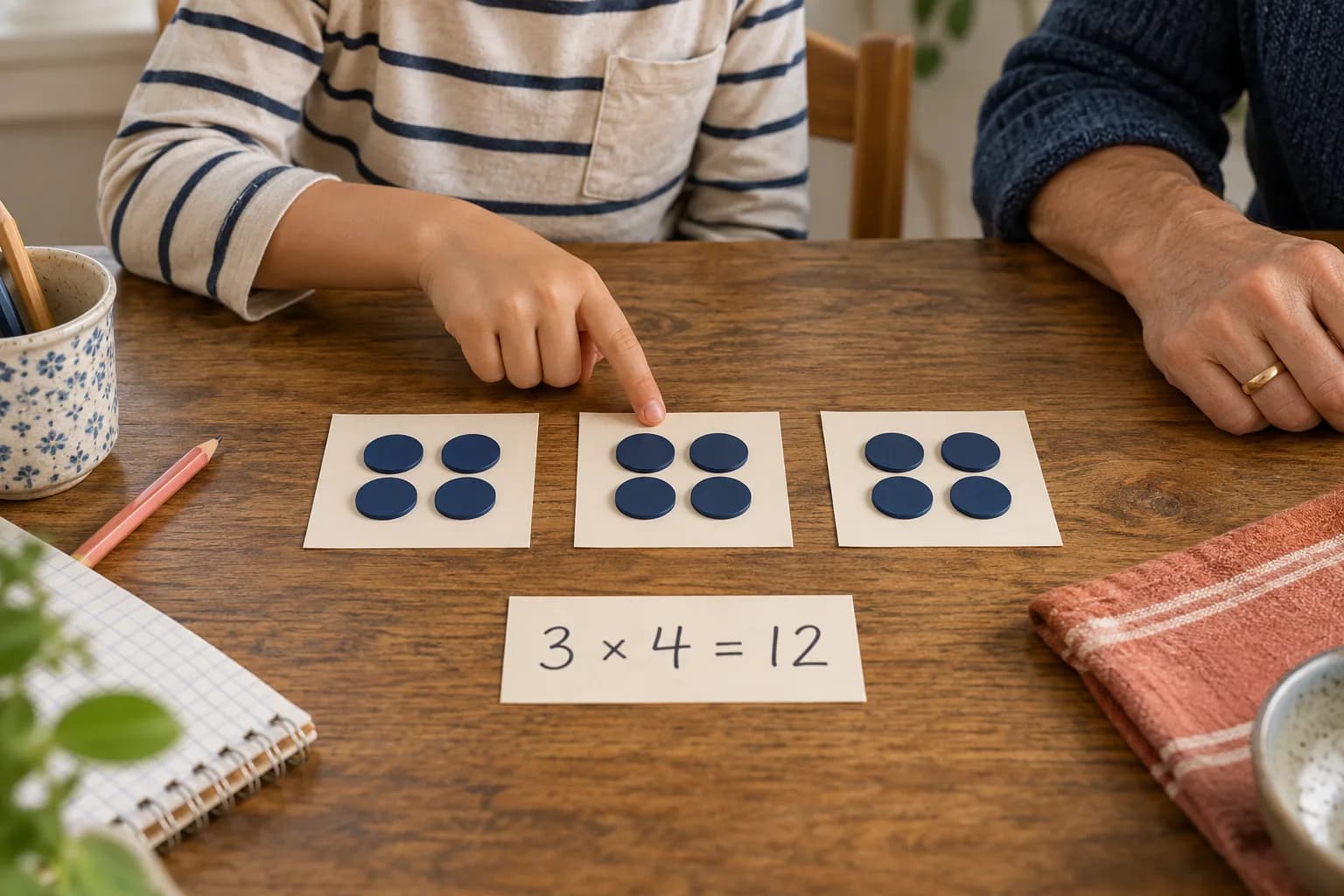
NEA Foundation Student Success Grants: build a project-based learning proposal
Review NEA Foundation Student Success Grant eligibility and develop a reading or math project with a clear learning question, materials budget and evaluation plan.
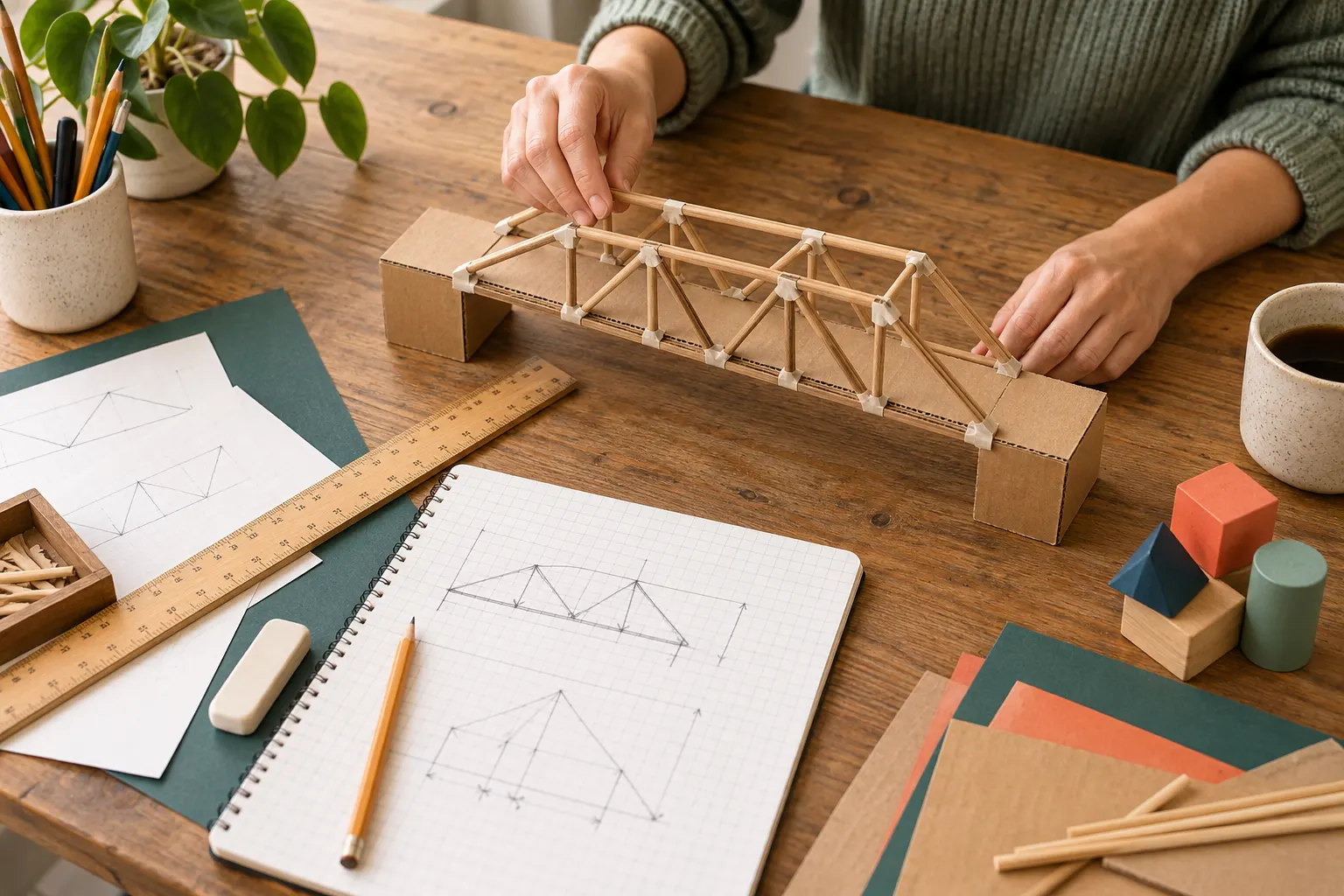
Design the student investigation first. Explain how each requested material supports the work, and verify current NEA membership and the grant cycle before applying.
An education grant proposal becomes easier to write when the project has a question students will investigate. The NEA Foundation’s Student Success Grants are worth reviewing for eligible educators planning work that develops reasoning, inquiry or collaboration.
Check membership, role and timing
The foundation describes awards of up to $5,000 for a 12-month project period. Current NEA membership is required. Eligible roles include public-school educators, education support professionals and specialized instructional support personnel; administrators are excluded. Additional restrictions apply to current grantees.
The page reviewed on October 29, 2026 shows a June 15–September 15 application period, which has passed. The Fluxx sign-in page says registration will reopen in December, with application dates to be announced separately. The listed sponsor is First National Bank of Omaha. The foundation allows several student-focused expense categories, but excludes salaries and indirect costs, and does not fund proposals focused solely on electronics.
Begin with a question students can investigate
Consider a math project built around designing a reading area. Students could compare arrangements, count equal groups of seats and explain how different layouts use the same space. An accompanying reading task could ask them to examine short descriptions and justify a recommendation. This is an original example for planning, not a funded case study.
Define the grade-appropriate skill beneath the activity. For younger learners, that might be organizing quantities and explaining a drawing. For older learners, it might involve measurement or interpreting information. Choose the question because it serves the curriculum, rather than because it sounds impressive in a proposal.
Show how the materials contribute
Build the budget after outlining the investigation. Connect books, measuring tools, manipulatives or proposed software to a task students will complete. If an item will only be used once, explain why borrowing it or using an existing resource would not work as well.
Digital practice can support prerequisite skills, but the proposal should explain the relationship between that practice and the larger project. For example, practice with equal groups could prepare learners to compare seating arrangements. If considering Glow, identify the relevant activities and obtain confirmation that the specific purchase fits the award.
Plan assessment beyond completion
A completed model or attractive display does not by itself show what students understand. Decide how learners will explain a choice, solve a related problem or apply the idea in a new example. Keep the task accessible through appropriate response options, including speaking, drawing or demonstrating with objects.
Record a starting observation and a later independent task. Use those results to plan instruction, and describe them as your proposed evaluation approach. Avoid claiming that a tool will cause a particular improvement before you have evidence from the project.
Organize the application and project handoff
Assign responsibility for the application, purchasing, instruction and final records. If staff will share the work, explain their roles and how materials remain available to the intended students. Include realistic time for preparation and school procurement.
Keep a working folder with the project question, lesson outline, current quotes and an evaluation schedule. Have a colleague check whether the narrative and budget describe the same project. When the next cycle opens, revise that draft against the foundation’s current application guidance and submit through its official system.
Sources & further reading
Program details checked October 29, 2026. Use the official sources below to confirm current eligibility, application dates and purchase requirements. Project examples and planning suggestions are by Glow Education.