21st Century Community Learning Centers: funding for afterschool reading and math
Explore the 21st CCLC funding route for afterschool and summer programs, including state competitions, local partnerships and a practical reading and math plan.

Look for your state’s 21st CCLC competition or an existing local grantee. A software request belongs within a staffed, accessible program with a clear educational purpose.
Funding afterschool learning involves more than buying materials. Programs need responsible staff, a usable location, family communication and a schedule children can attend. The Nita M. Lowey 21st Century Community Learning Centers program, often shortened to 21st CCLC, supports this broader type of work.
Find the state or local route
The federal program supports learning outside school hours, particularly for students attending high-poverty and low-performing schools. Reading, math, enrichment and educational services for families are part of its stated purpose. States receive federal funds and run competitions for eligible local organizations.
Kentucky’s official guidance, for example, describes applicants including education agencies, community organizations and other public or private entities. Each state’s current competition controls its application process. Arizona’s published FY2027 Cohort 2 deadline was October 13, 2026 and had passed when this guide was reviewed. There is no single nationwide teacher application deadline.
Decide whether to apply or partner
An organization preparing a new center should begin with the state education agency’s current notice. A teacher seeking materials for an existing program can first speak with its director. A family seeking participation can ask the school or district about nearby funded programs and enrollment.
For a small education nonprofit, partnership may be more practical than becoming the lead applicant. Discuss who handles supervision, space, transportation, purchasing and reporting. Record the arrangement before building a budget around someone else’s services.
Plan reading and math within the full session
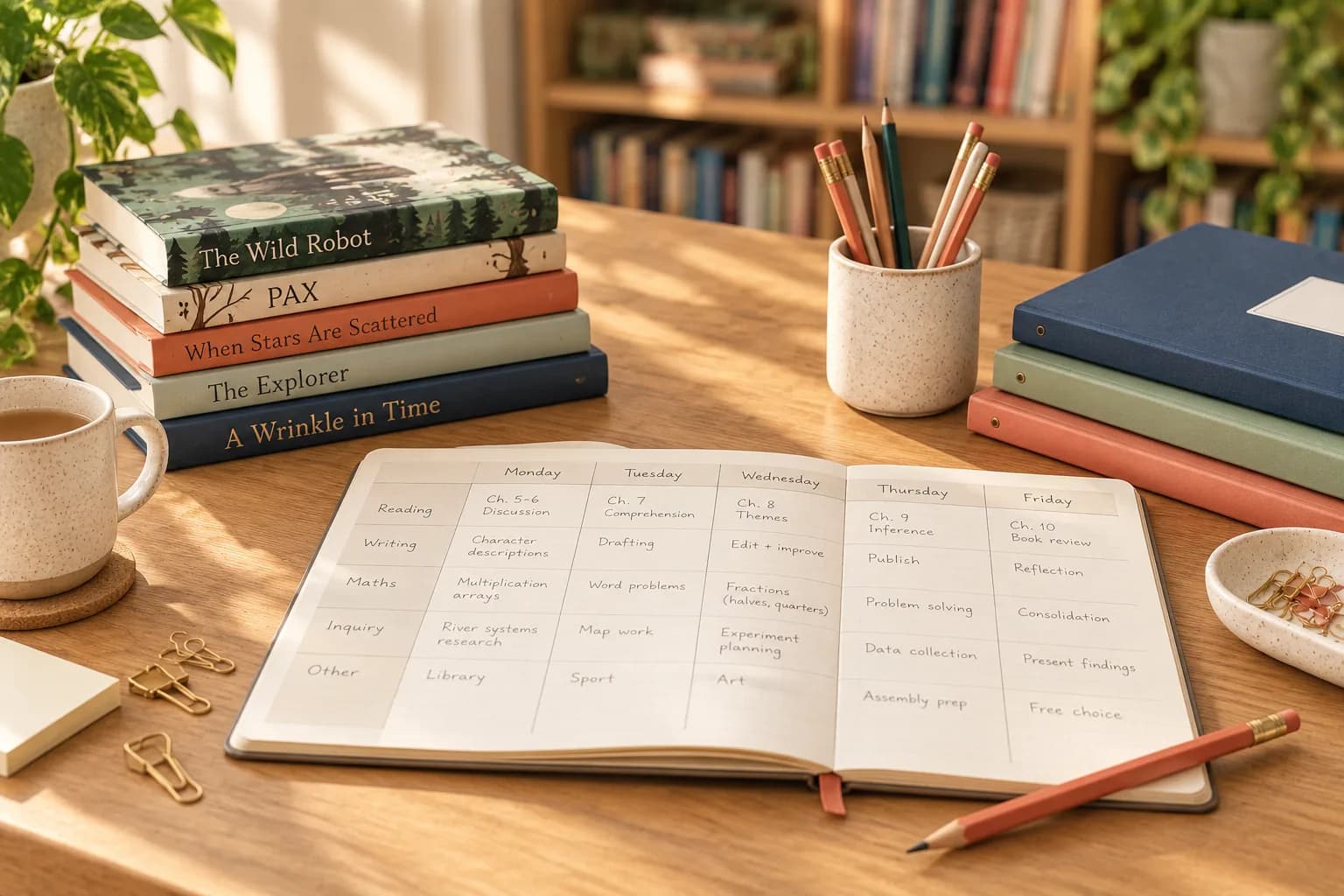
Build a schedule that makes sense after the school day. An illustrative session could include arrival, a supervised snack or transition, a focused teaching activity, practice and another enrichment activity. Adapt the sequence and timing to the program’s age group and operational requirements.
For reading, identify the skills adults will teach and the materials students can read with appropriate support. For math, combine explanations and physical models with selected practice. Coordinate with school staff so the activities address a real need without merely repeating an entire school lesson.
Put software in a complete budget
Treat any app as one part of the program. Document the license, adult owner, intended learners and access period. Account separately for devices, connectivity, printing and staff preparation. Explain how the activity will work if internet access is unavailable.
If evaluating Glow, start with the sample lessons and relevant app activities. Then ask the program’s fiscal lead whether the proposed expense fits the approved grant and purchasing process. The federal program’s support for academic enrichment does not amount to approval of a named product.
Track participation and learning separately
Maintain the attendance and reporting records required by the award. In your instructional planning, also decide how educators will check understanding. A learner may attend regularly and still need a different explanation; another may understand a concept but face barriers to attending.
Use those distinctions to make practical changes. Review session delivery, access barriers and independent skill checks at planned intervals. Share family updates through the program’s approved channels and protect identifiable records.
Before seeking a new purchase, write down the program need, responsible staff, approximate cost and proposed use. That makes the conversation with a director or grant lead specific enough to act on.
Sources & further reading
Program details checked October 28, 2026. Use the official sources below to confirm current eligibility, application dates and purchase requirements. Project examples and planning suggestions are by Glow Education.