Title I funding for reading and math: how to prepare a school budget request
Understand the school budget route for Title I reading and math support, and prepare a resource request tied to an identified need, instructional plan and review.

Bring the instructional need to the school’s Title I or federal-programs lead. The school’s program model, approved plan and purchasing rules determine the next steps.
Teachers searching for reading or math grants may already work in a school with a relevant funding route. Title I, Part A can support school programming, but an individual teacher does not apply to the federal government for a classroom shopping grant. Start with the person responsible for the school’s Title I plan and budget.
Identify the school’s program model
State education guidance distinguishes schoolwide programs from targeted assistance. A schoolwide program can use Title I to improve the educational program under its plan. Targeted assistance directs support to identified students with academic need. New York’s expenditure guidance connects schoolwide activities to the needs assessment and plan, while targeted assistance expenses serve the identified students and related staff.
Ask your school which model it uses and how a proposed reading or math resource would fit. The answer affects who the activity serves and how it should be described. Families can ask about available support, but Title I is not a household shopping account.
Prepare a one-page instructional request
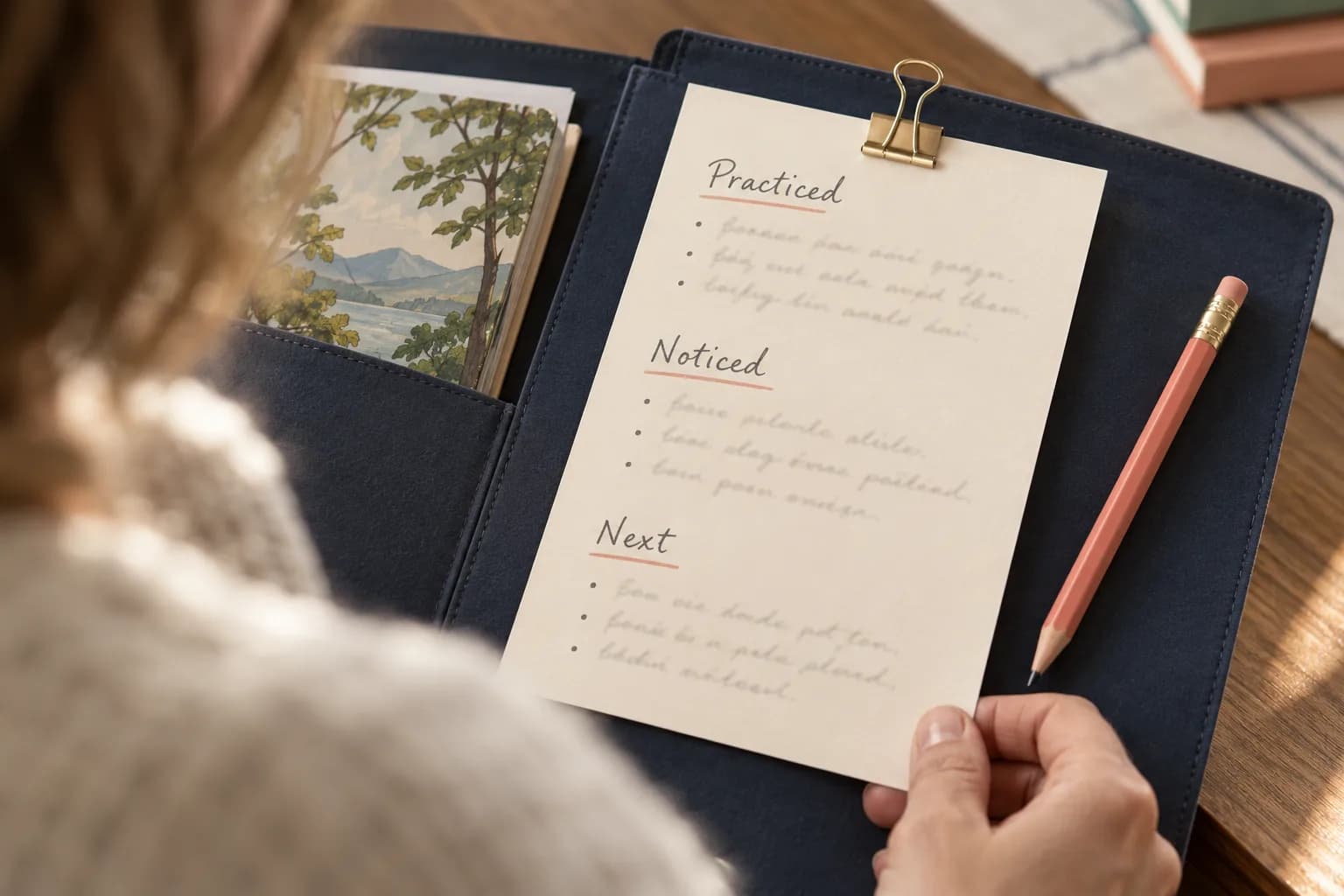
Write down the skill students need to develop, the evidence that prompted the request and the instruction already in place. Separate a need for more practice from a need for a different explanation, additional teaching time or an accessibility adjustment.
An illustrative request might describe students who can model addition with objects but need structured practice explaining related subtraction facts. Propose a routine that includes teacher modeling, guided work and a short independent check. Then identify the materials needed to carry it out.
Keep evidence proportionate. A summary of classroom observations may be enough for an initial conversation. Use the school’s approved systems for identifiable assessment records rather than attaching them to a vendor inquiry.
Make the full cost visible
Include the product, license period, intended learners, account owner and current quote. Add any required devices, training or printing as separate costs, even when existing school resources will cover them. Explain who will decide whether a subscription is worth renewing.
If Glow is under consideration, identify the exact app or classroom resources being evaluated. Describe their intended instructional use without claiming that Title I has approved the product. The district must determine whether the proposed expense is allowable, reasonable and consistent with its plan and requirements.
Let the school complete its purchasing review
Ask the federal-programs lead and purchasing team which approvals, procurement steps and documentation apply. Include the people responsible for technology, accessibility and student privacy when a digital service is involved. A teacher’s enthusiasm for a product does not replace those checks.
Agree on timing before promising a classroom start date. The organization may need a quote, vendor information, account arrangements or a revised plan before it can commit funds. Keep a paper-based teaching option available while the request is reviewed.
Review use and instructional value
Before implementation, choose how the teacher will judge whether the resource is useful. For example, review whether planned sessions occurred and whether learners can explain the target relationship without the practice aid. Those observations support the next teaching decision and a later renewal conversation.
Document what was purchased, how it was used and what the school learned from the implementation. This creates a clearer record for the next budget discussion than a general statement that students enjoyed the software. Follow the district’s actual reporting and retention requirements.
National reading and math figures you can cite in a school budget request are compiled on Early learning statistics.
Sources & further reading
Program details checked October 29, 2026. Use the official sources below to confirm current eligibility, application dates and purchase requirements. Project examples and planning suggestions are by Glow Education.