Dollar General Youth Literacy Grants: plan a reading funding request
Check eligibility for Dollar General Youth Literacy Grants, then prepare a reading project, software budget and progress plan before the next application cycle.

Start with a specific reading need and an eligible organization. Explain how books, instruction and any software will work together before asking for funding.
Dollar General Youth Literacy Grants are a route worth checking when a school, library or nonprofit needs resources for students who have difficulty reading. A strong request starts with the reading instruction you intend to provide. The shopping list should follow that plan.
Check the organization and the next cycle
The Dollar General Literacy Foundation lists schools, public libraries and nonprofits serving K–12 readers who need additional support. Its FAQ sets a maximum Youth Literacy award of $5,000 and a location requirement: the organization must be in a state where Dollar General operates and within 15 miles of a store. Consecutive-award restrictions also apply.
As reviewed on October 29, 2026, the foundation announces the next Youth Literacy application opening for spring 2027. It has not published a deadline on the program overview. This is an organization application, rather than a grant an individual parent requests for a child.
Describe the reading problem precisely
Before drafting, ask the staff who will teach the sessions to agree on the skill they intend to address. “Improve literacy” could mean decoding, vocabulary, comprehension or access to books. A useful proposal identifies one starting need and explains how the group was selected.
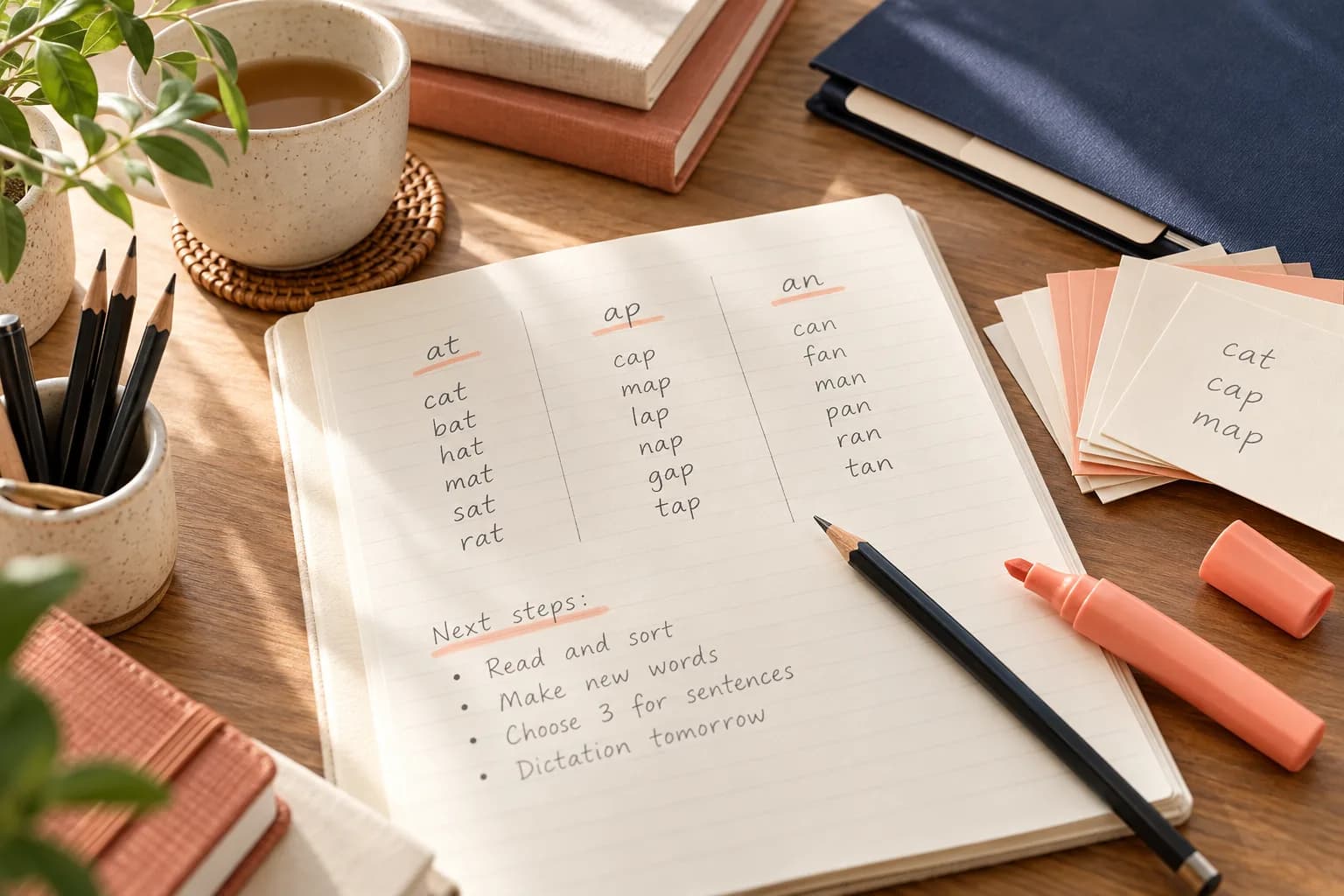
For example, a school might propose a six-week reading group for children who can identify individual sounds but need help applying taught spelling patterns in connected text. That is an illustrative project design, not a required grant format. Use actual observations from your setting and report group-level information without attaching identifiable student records.
Describe the instruction, adult supervision and practice routine. A reviewer should be able to picture what happens during a session and understand why the requested materials are needed.
Build a budget around the sessions
The foundation lists books, instructional materials, technology, software and professional development among eligible Youth Literacy expense categories. Product selection still needs to fit the application and award terms.
- List each resource, its quantity, current quoted price and intended use.
- Separate reusable books and materials from subscriptions that expire.
- Check whether existing devices and school internet access are sufficient.
- Include the subscription period and the plan for costs after the grant ends.
If you are considering Glow Sight Words, describe the practice it would support alongside explicit reading instruction. Ask the funder to confirm the specific expense. A listed software category does not establish approval of a particular Glow purchase.
Choose a progress check you can maintain
An original planning approach is to compare a short independent reading check before and after the project, using the same target skill with different examples. Also track attendance and whether instruction occurred as planned. These records answer different questions: participation shows delivery; reading performance informs the next teaching decision.
Avoid predicting an improvement percentage without a defensible basis. State what you will measure, when you will review it and how the educator will respond if learners need more teaching. Keep sensitive records in the school’s approved systems.
Prepare before the application opens
Assign one person to maintain the project description, quotes, eligibility evidence and application calendar. Ask the organization’s purchasing contact to review subscription ownership and renewal responsibilities. Recheck the foundation’s official pages when the next cycle opens, then adapt the draft to that cycle’s questions.
Glow’s funding finder can help you compare this route with other programs. Use it to organize the search; submit the actual application through the foundation’s official portal.
Sources & further reading
Program details checked October 29, 2026. Use the official sources below to confirm current eligibility, application dates and purchase requirements. Project examples and planning suggestions are by Glow Education.