How to teach sight words with phonics
Help children read common words through sounds, spelling, and meaning, with a practical sight-word routine for home or classroom.
Teach children what the letters are doing, then help the word become familiar through meaningful reading.
Knowing a word by sight means reading it accurately and readily. It does not mean a child must learn the word as a picture. When you introduce common words, make their sounds and spelling visible. Then give the learner opportunities to read those words in sentences that make sense.
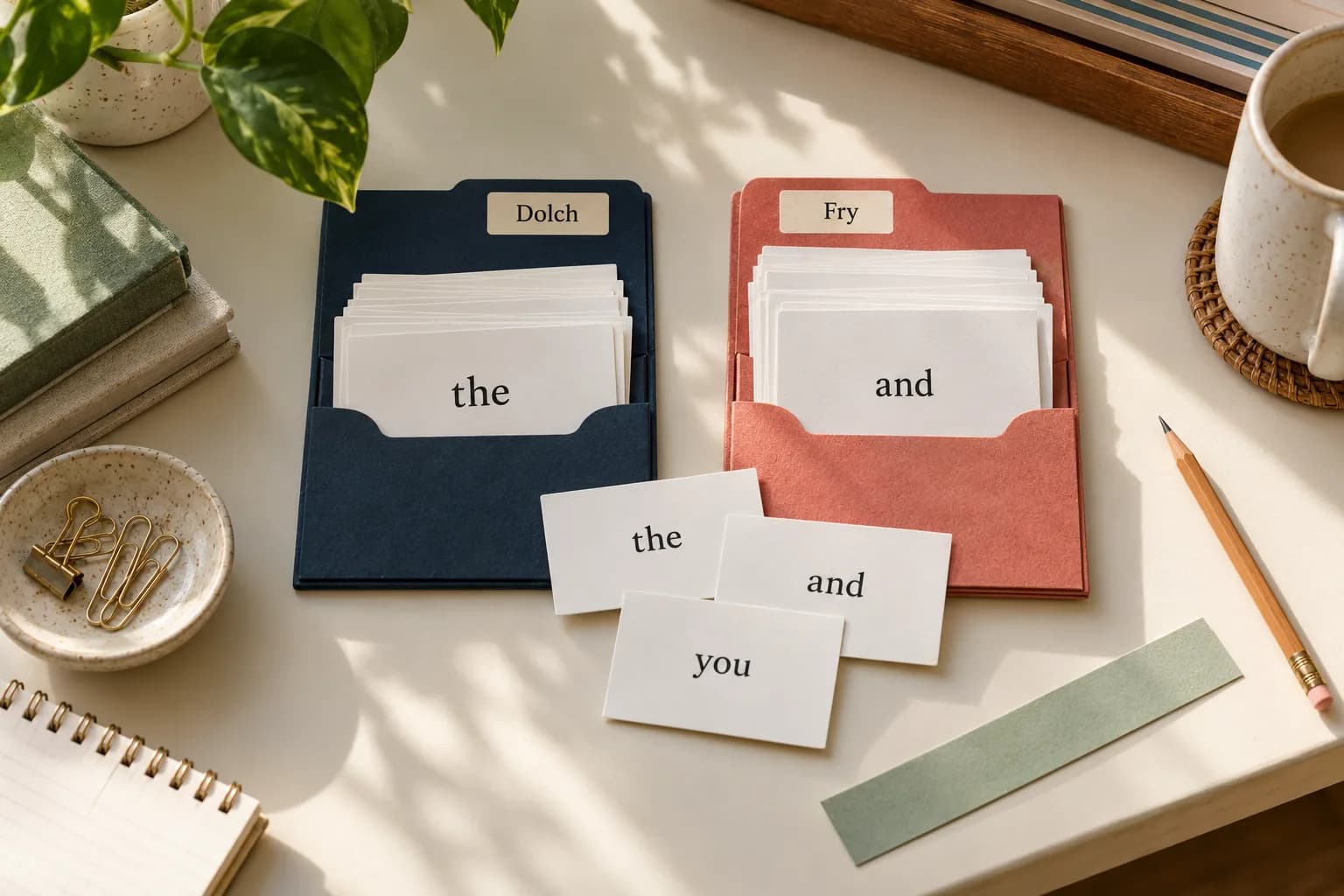
A small, carefully taught set is easier to work with than a long list assigned for memorization. Choose words that fit the phonics the child has learned and the text you plan to read together.
Start with a word the child can understand
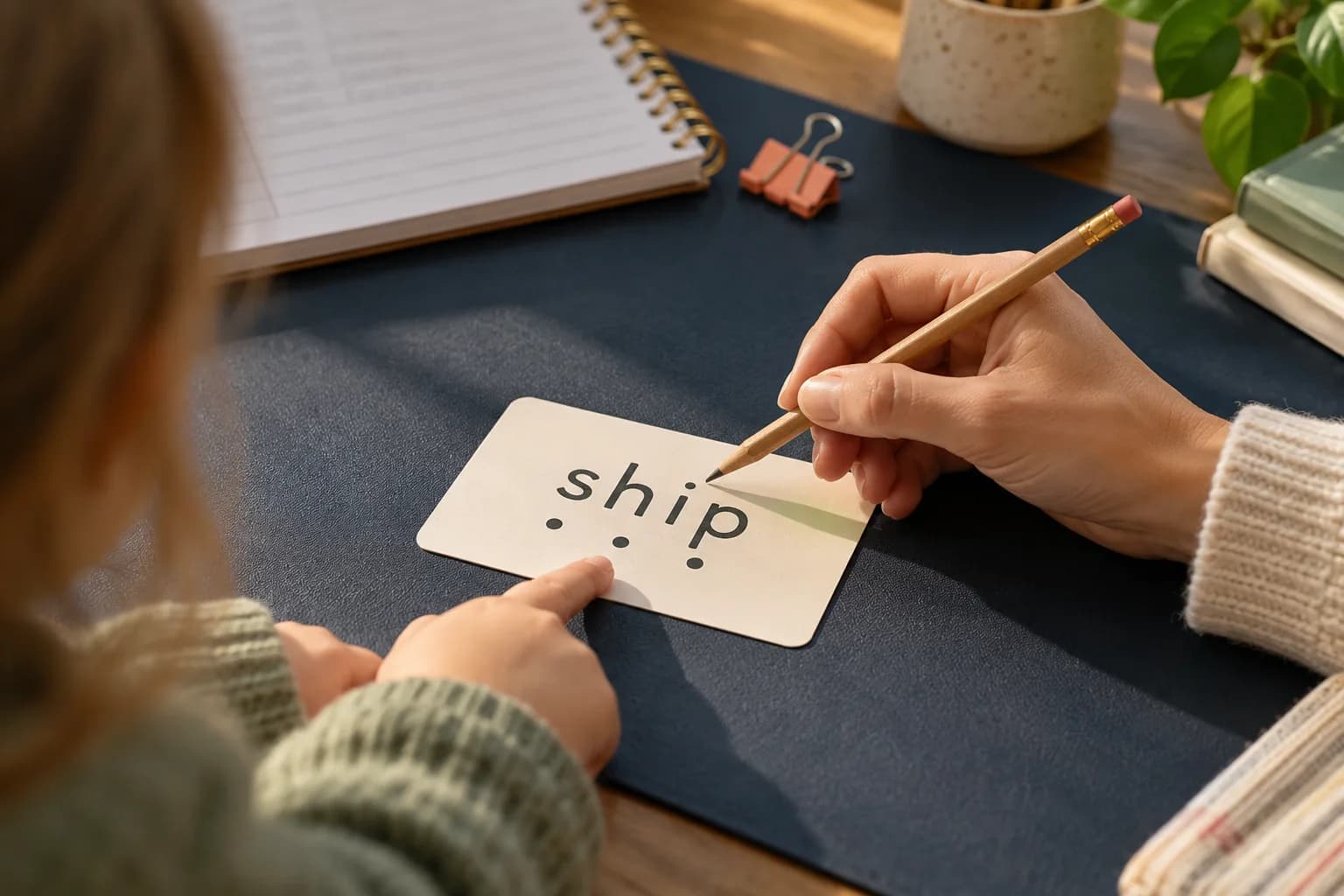
Say “in” and use it in a sentence: “The toy is in the box.” Ask the child to repeat the word. Stretch its two sounds, then show the letters i and n. Point to each letter as you connect its sound, and blend the word again.
Next, ask the child to build the word with letter tiles or write it. Cover your example before they try. This gives you a useful glimpse of what they can recall, rather than what they can copy.
Make the unexpected part explicit
Some common words contain a spelling the child has not learned yet. In “said,” the s and d represent familiar sounds; the ai represents the vowel sound heard in “bed.” Explain that particular spelling directly instead of calling the entire word impossible to sound out.
Say the word naturally, identify its sounds, and connect them to its letters. A temporary mark under the unexpected spelling can help you discuss it. Return to the ordinary printed word after teaching, so that the mark does not become the answer.
Put the word to work
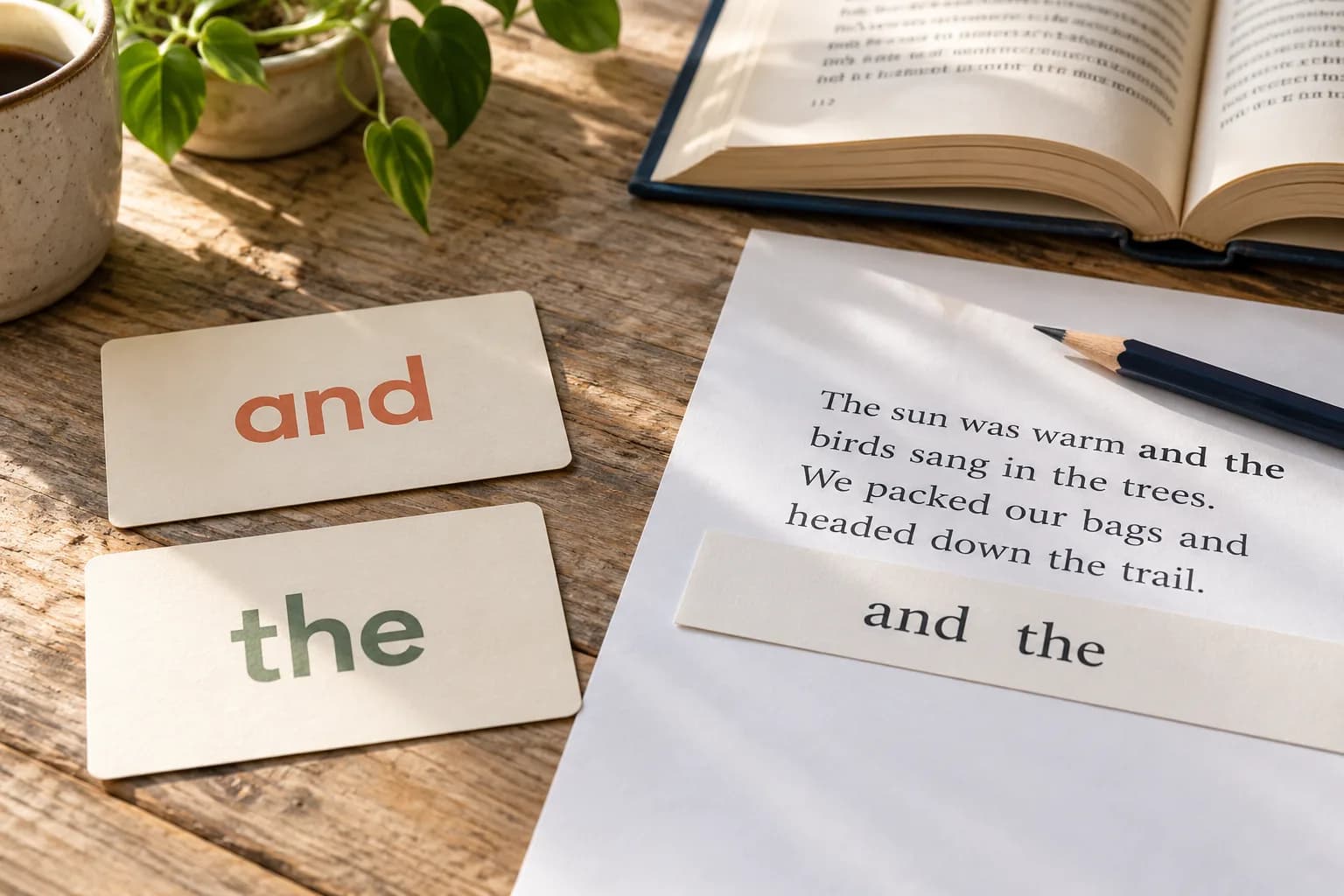
Write a short sentence using mostly familiar words. Let the learner read the target word and as much of the sentence as they can. Supply untaught words yourself and talk about the meaning. Adult-supported sentences and independently decodable text serve different purposes; choose deliberately.
- Read the word by itself, without a picture clue.
- Build or write it from memory.
- Find and read it in a new sentence.
- Return to it on a later day, mixed with other taught words.
Notice what needs the next lesson
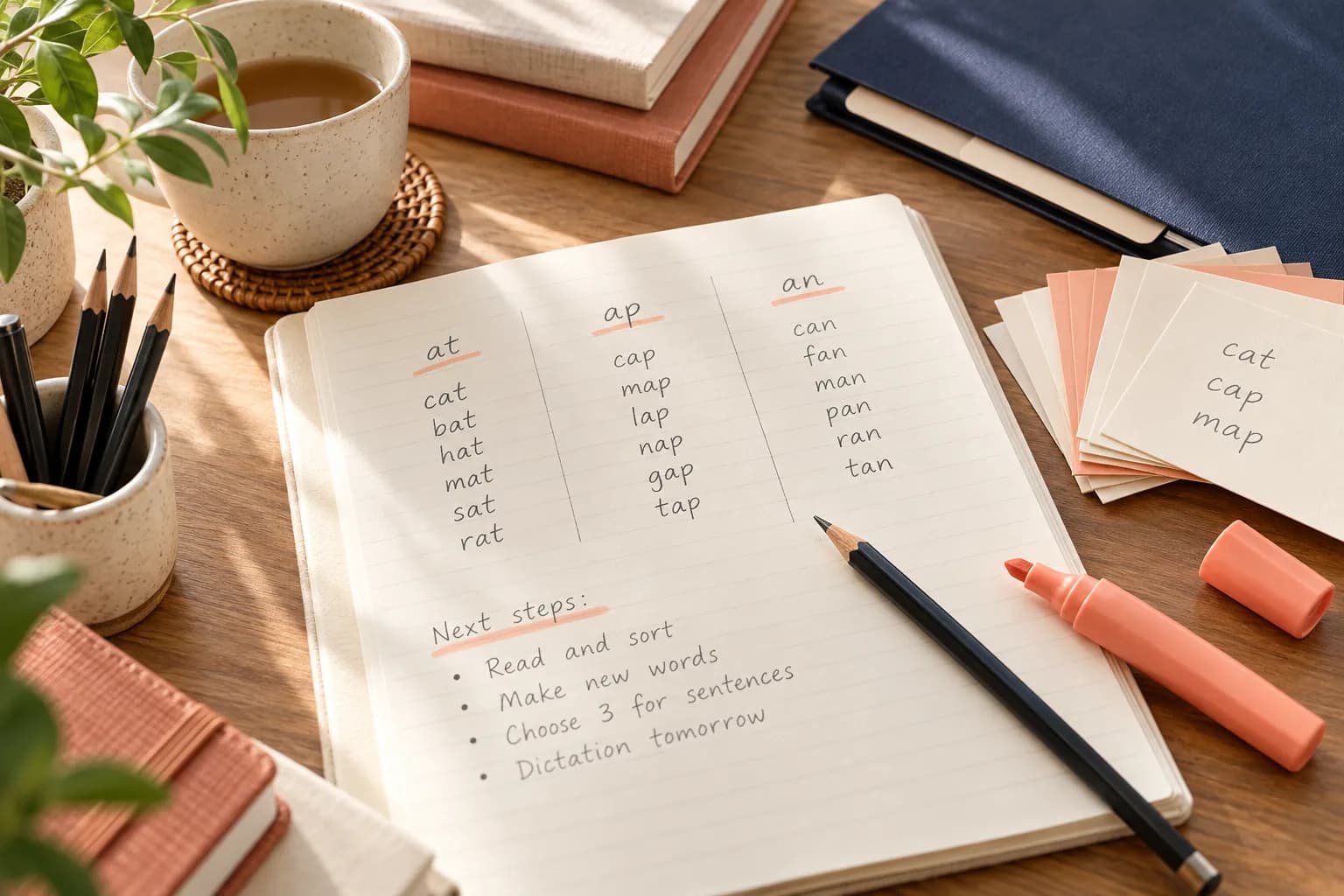
If a child reads “in” correctly but struggles to write it, work on connecting sounds to letters. If they read a card correctly but miss the same word in a sentence, practice finding it in connected text. If they guess from the first letter, slow down and attend to the complete spelling.
Glow Sight Words can give you another practice setting. Pair that practice with explicit teaching and ordinary print. The useful outcome is a word the child can recognize and understand wherever it appears—not just on a familiar card.
Sources & further reading
Research background and Glow’s approach, alongside the original activity ideas in this guide.