Build a simple spaced-practice routine for reading and math
Plan short returns to taught words and math skills across a week, with fresh attempts, useful feedback, and flexible review intervals.
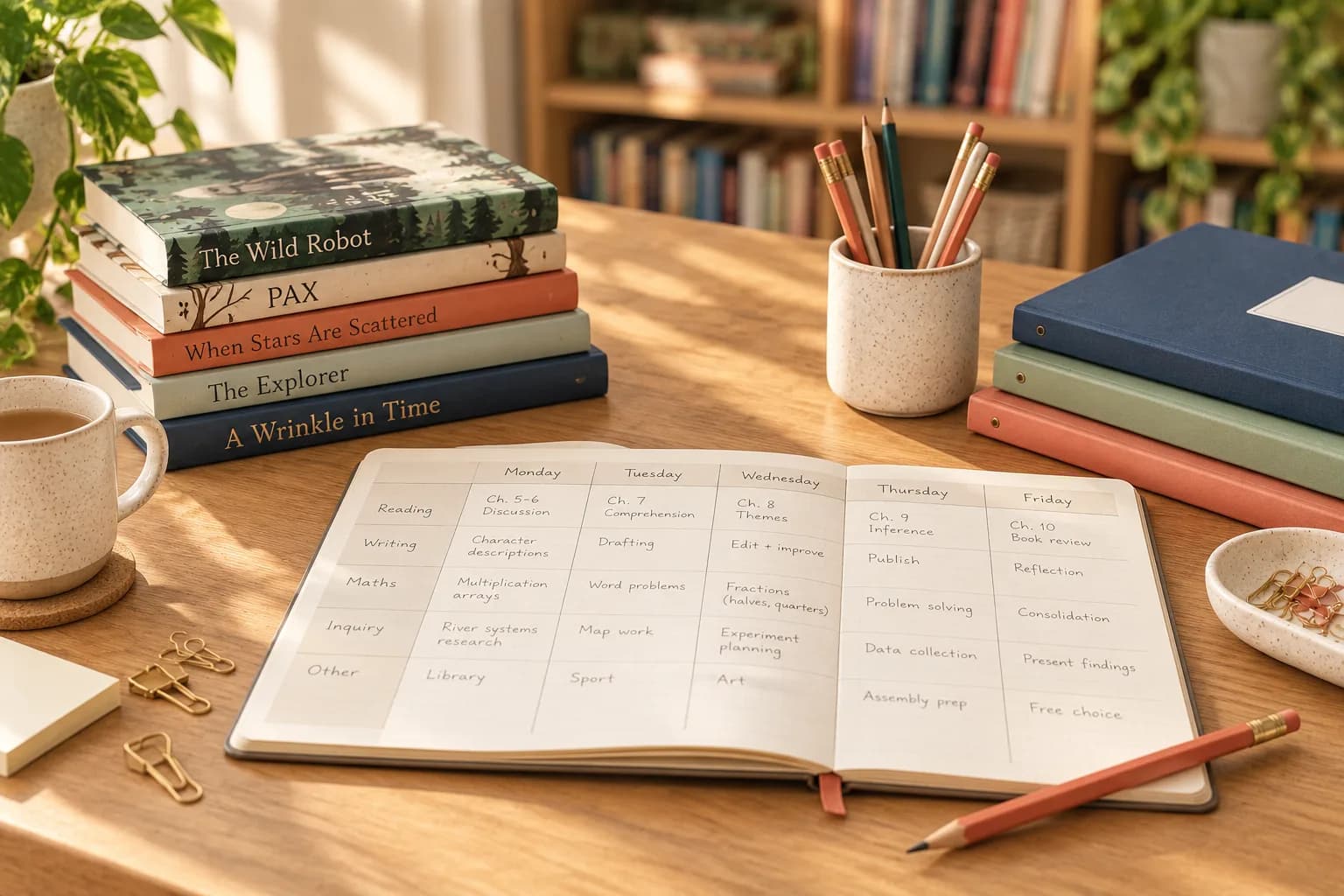
Return to a small amount of taught material after a gap, and use the response to choose the next review.
A learner can complete a page today and still need another encounter with the skill later. Spaced practice gives that return a place in the plan. Instead of relying only on many repetitions in one sitting, you revisit selected material across different moments.
You can manage this with a short list or a few folders. The system should be simple enough that maintaining it does not take more time than the practice.
Keep a small review collection
Choose material that has already been taught: a few words, several math facts, or one useful strategy. Record when it was practiced and what support was needed. Avoid filling the review collection with brand-new content that still requires a full lesson.
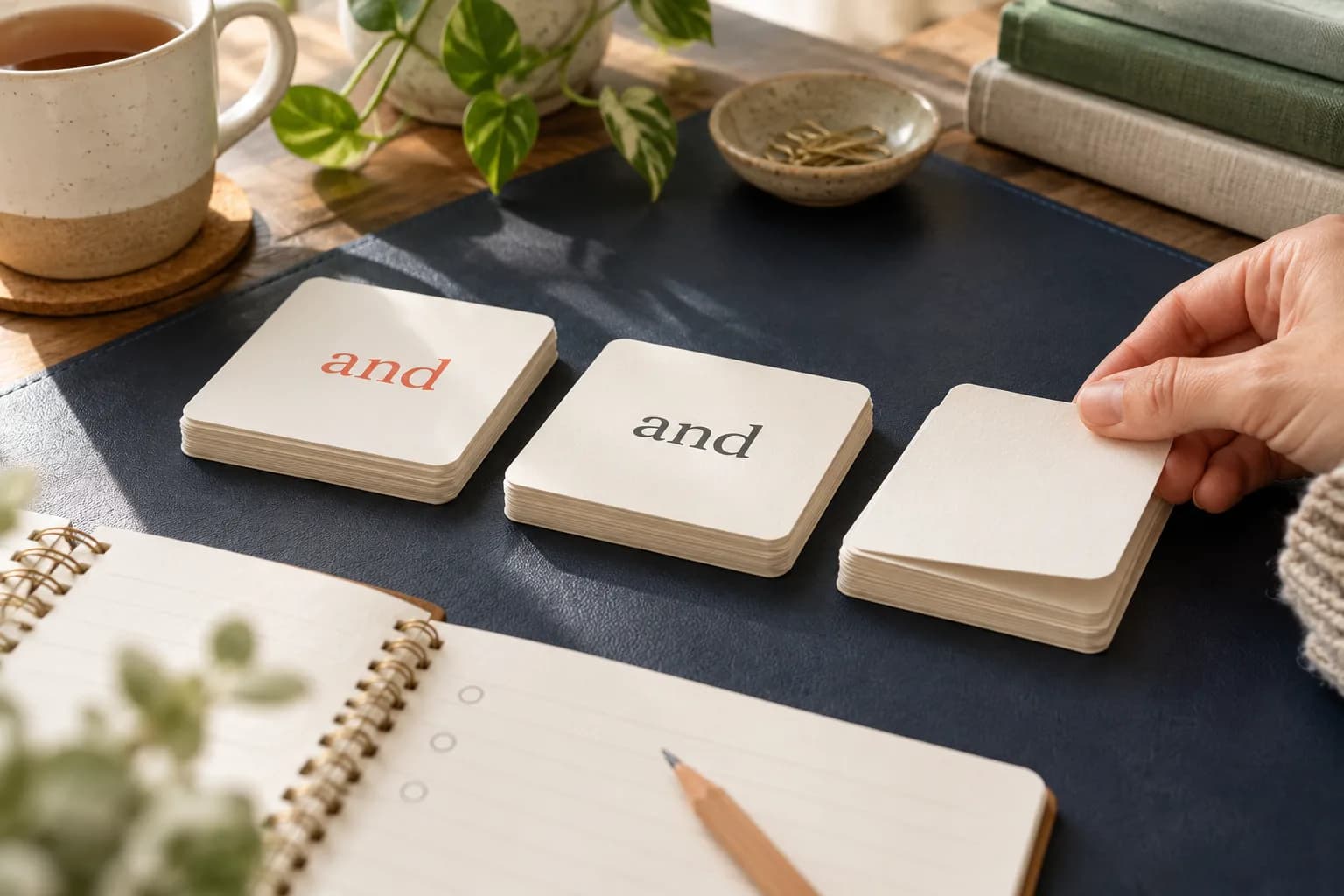
At home, one index card can hold the week's targets. In a classroom, keep a small review group for learners working on the same skill, while noting individual responses separately.
Begin with a fresh attempt
When you return to an item, give the learner a chance before displaying the earlier answer or worked example. Make the instructions clear and provide a reasonable amount of thinking time.
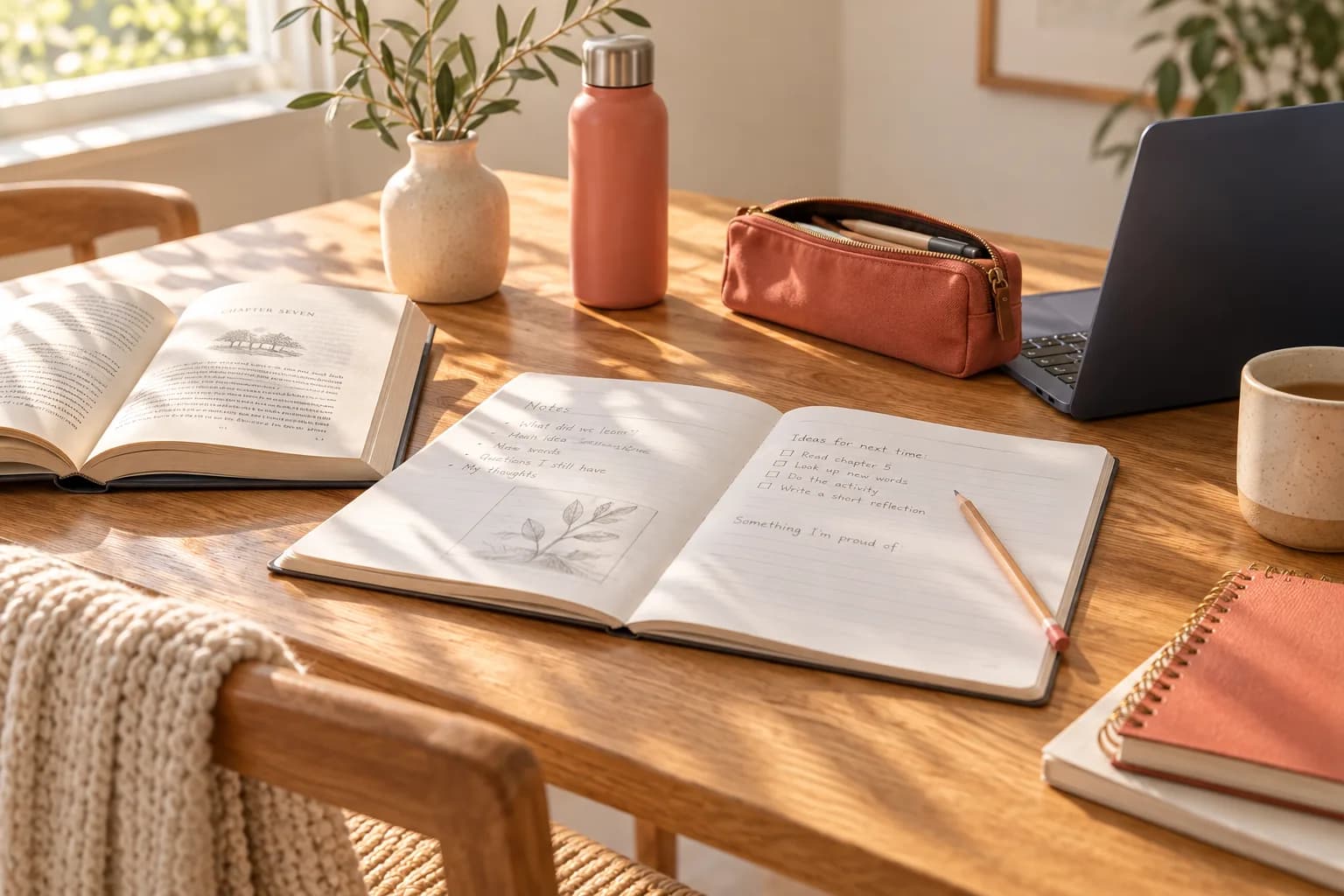
If the learner needs help, model or explain and let them practice. The point is to recover the learning and strengthen its use, not to make the child sit with an error. Keep the first response distinct from the supported retry in your notes.
Use a flexible schedule
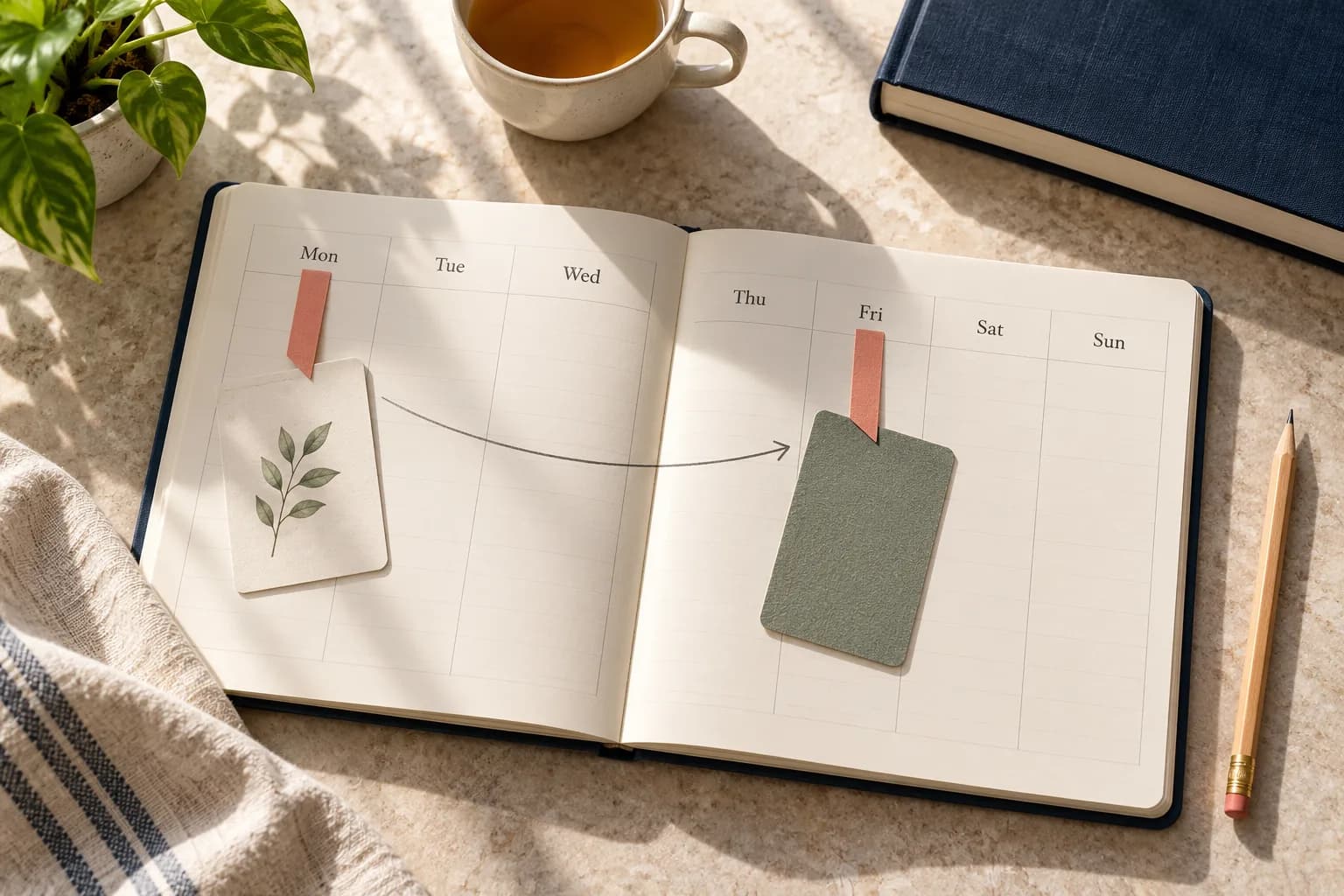
You might revisit a newly taught skill on the next practice day, again later in the week, and then after a longer gap. Treat those as planning choices rather than a universal formula. A skill that remains difficult may need reteaching before another independent return is useful.
Mix a few review items with current work so the session stays manageable. Resist adding every old lesson to every day. Choose the material that will give you useful information or support an upcoming task.
Change the context carefully
Read a taught word in a new sentence, ask for a fact in an equal-groups story, or move from an app display to ordinary paper. Keep the underlying skill comparable so that the change does not introduce too many new demands.
After each return, decide whether to extend the interval, keep practicing with support, or teach a missing connection. Glow's white paper discusses spaced practice alongside recall and feedback. In everyday planning, the practical benefit is a routine that asks not only what the learner finished today, but what they can still use when the material comes around again.
Sources & further reading
Research background and Glow’s approach, alongside the original activity ideas in this guide.