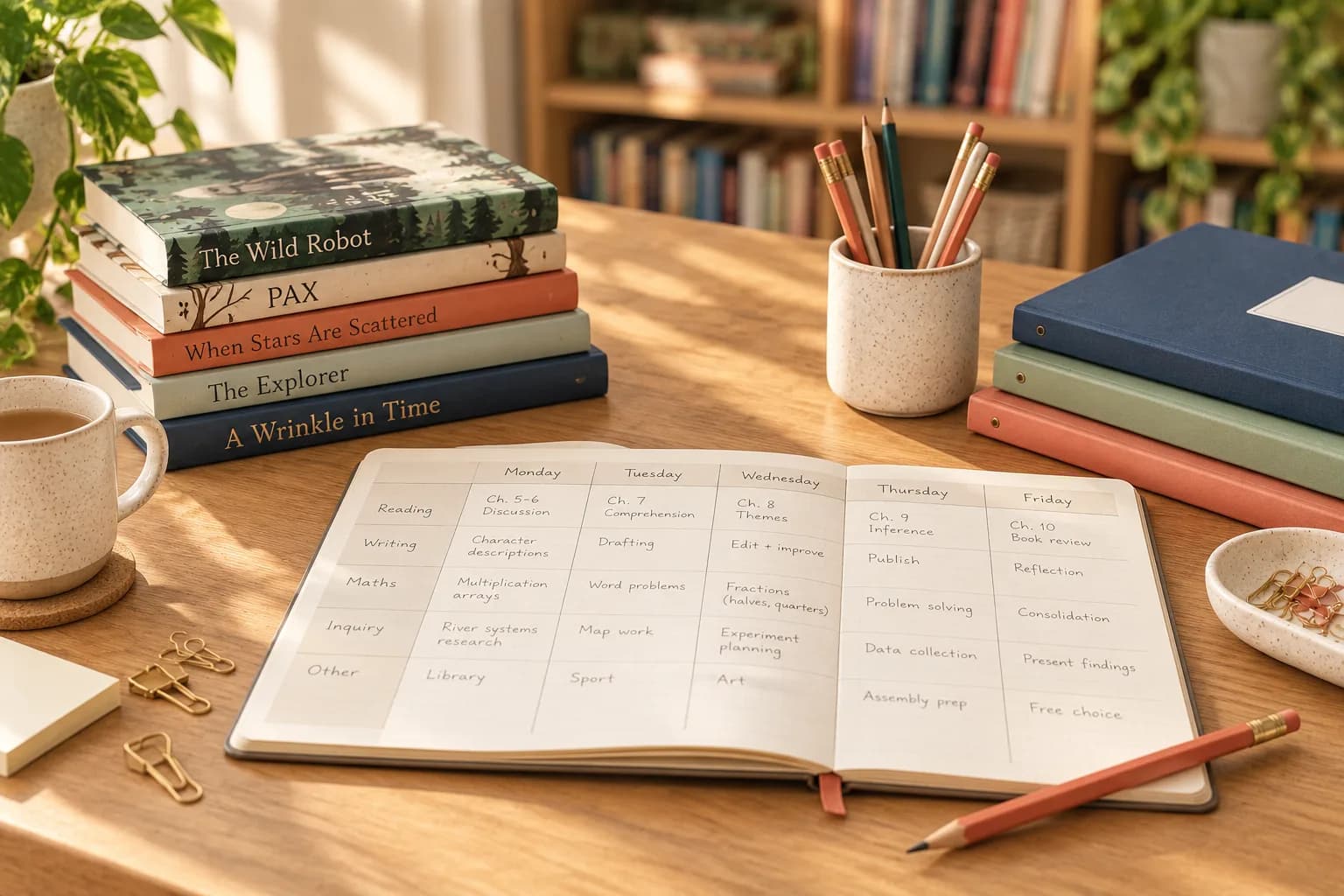
A flexible homeschool reading and math weekly plan
Create a manageable homeschool week with focused teaching, short practice, hands-on activities, and time to revisit skills that need support.
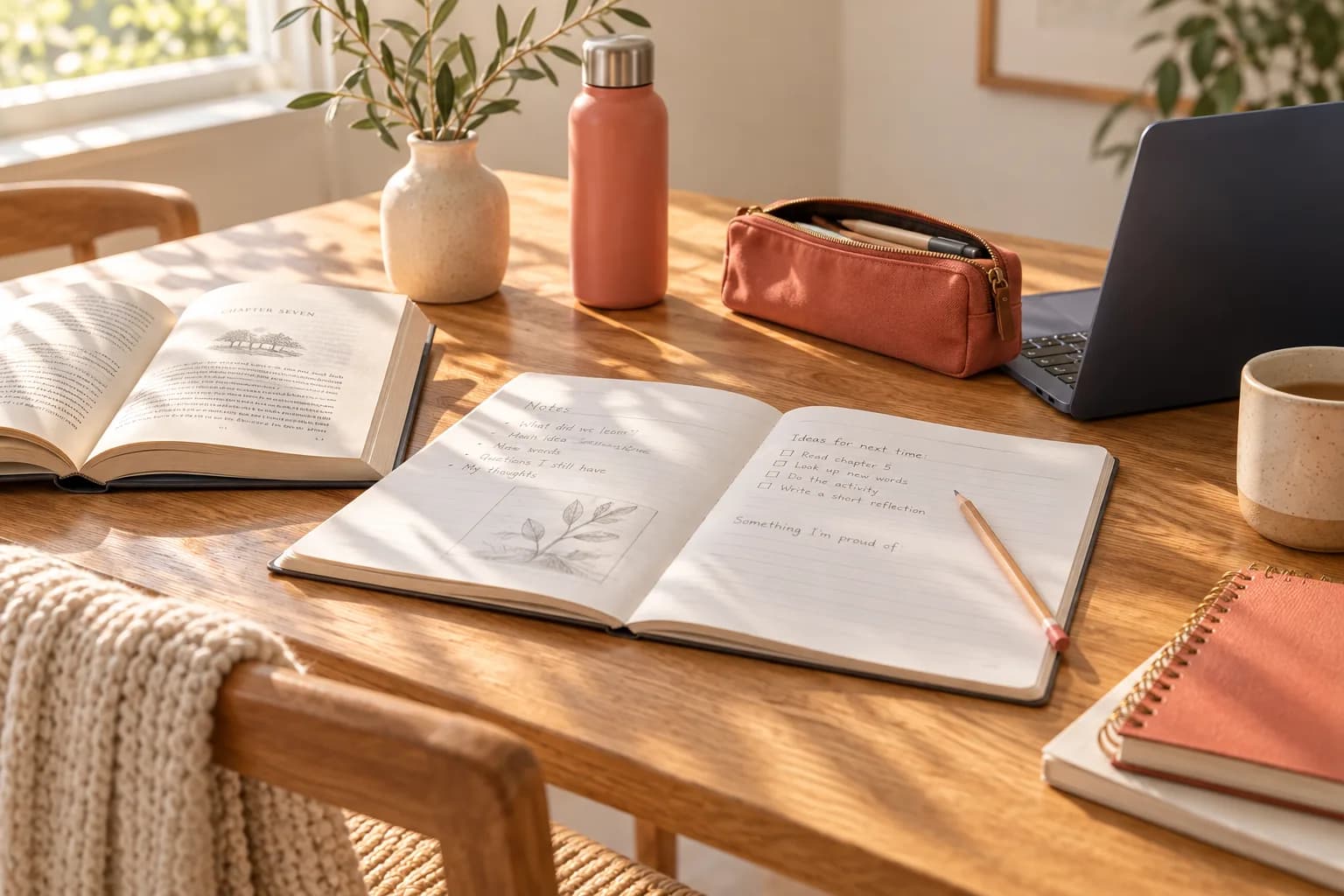
Plan a small set of learning goals, leave room for reinforcement, and let observations shape the next week.
A useful homeschool plan needs enough structure to begin and enough flexibility to respond. Filling every available minute with a new worksheet can make it difficult to return to something that needs another explanation. Start with a few learning goals and give review a place on the calendar.
This example is a planning pattern, not a complete curriculum or a required daily time allowance. Adapt it to your child's instruction, energy, access needs, and other learning activities.
Choose two clear focuses
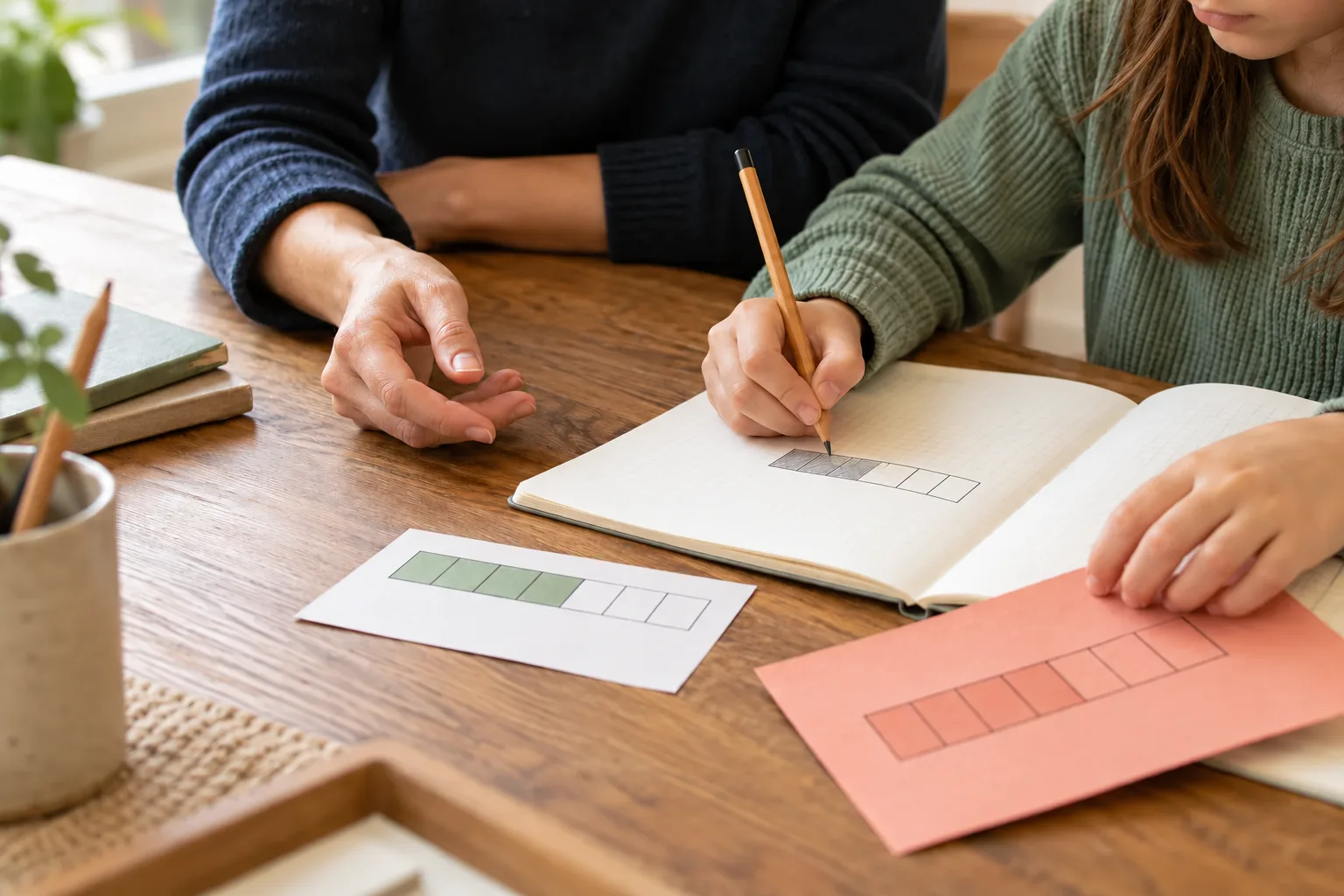
Pick one reading focus and one math focus. For example: reading taught sh words in short sentences, and using a ten-frame to explain addition across ten. Write each in a way you can observe.
Gather the materials before the week begins: an appropriate text, word cards, paper, and counters. Choose any Glow lesson or app activity because it practices the same skill, rather than because it happens to fit a grade label.
Give each day a job
On the first teaching day, model the new step and work through examples together. On the next day, begin with a brief fresh attempt, then provide targeted practice. Use another day for a hands-on application or a new context.
Leave a later slot for a small check and a return to earlier learning. You do not need five different lessons to fill five days. A focused lesson can have several useful encounters: explanation, guided work, independent use, and later review.
Keep a small note, not a second curriculum
After a session, record one observation about the focus. “Read shop independently but needed help with ship” or “Made ten correctly and counted the remaining three” is enough to plan a next step.
If the child needed substantial support, use the next slot for a clearer model or an easier prerequisite. If the work was comfortable, add a small challenge while keeping a later review. Avoid advancing simply because the calendar says it is time.
Connect screen and table work
Use a browser activity for a short practice opportunity, then ask the child to explain with paper or objects. Or teach with physical materials first and use the screen to revisit the same relationship. The order should follow the goal.
Where M.I.R.E.R. is enabled, review any suggestion as another piece of planning information. Decide whether it belongs in this week's support slot. End the week by identifying one thing that became more independent and one useful next focus. That gives the following week a clear beginning without making the plan rigid.
Sources & further reading
Research background and Glow’s approach, alongside the original activity ideas in this guide.