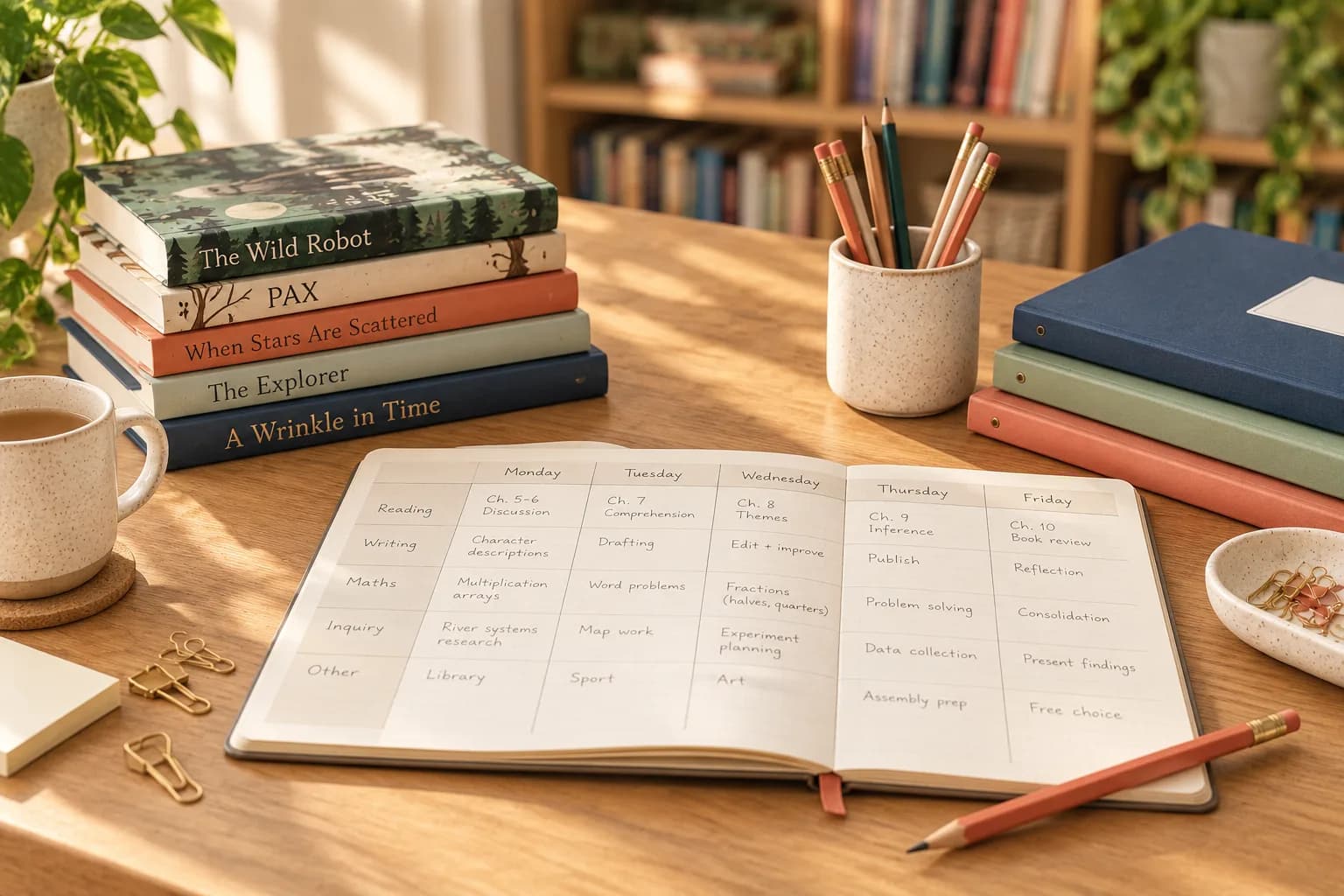
Color, memory, and practice: how the pieces fit
Connect Glow’s color-cue approach with retrieval, feedback, and spaced practice so attractive learning materials lead into useful learning actions.
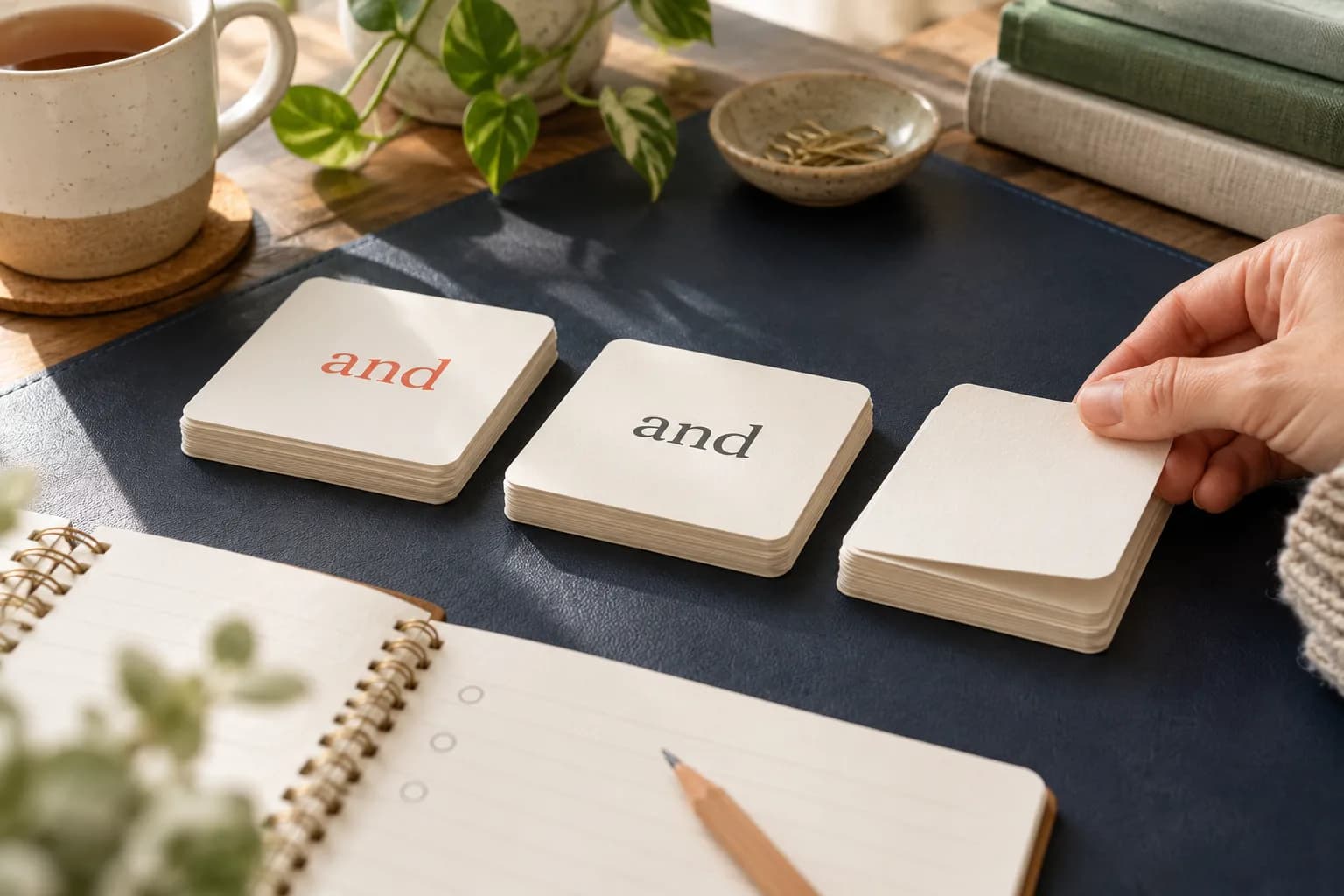
A cue can direct attention; recall, feedback, and later practice give the learner opportunities to build and use the knowledge.
A familiar colored card can help a learner recognize that they have seen something before. But familiarity and being able to produce the answer are different experiences. A good practice routine makes room for both noticing the material and trying to retrieve what it means.
Glow's white paper brings these pieces together. It discusses visual cues as part of a broader approach that includes instruction, meaningful practice, feedback, and returning after a gap.
Begin with attention and explanation
Show a clearly presented word or math relationship. Use a cue to draw attention to the relevant information, then explain it. For a word, connect spelling, sounds, and meaning. For a fact, connect quantities, an operation, and a strategy.
Ask the learner to show or explain the relationship. This gives the visual cue an instructional job and gives you a first view of what the child understood.
Create a real retrieval opportunity
Hide the answer or use a fresh example before asking for a response. Give the learner a reasonable chance to think. If they need help, provide a model or prompt and make the feedback specific.
For example, after building 8 + 5 as ten and three, ask the child to solve a similar sum without the completed model in view. Looking at your finished work and agreeing with it is different from choosing the move themselves.
Return instead of only repeating
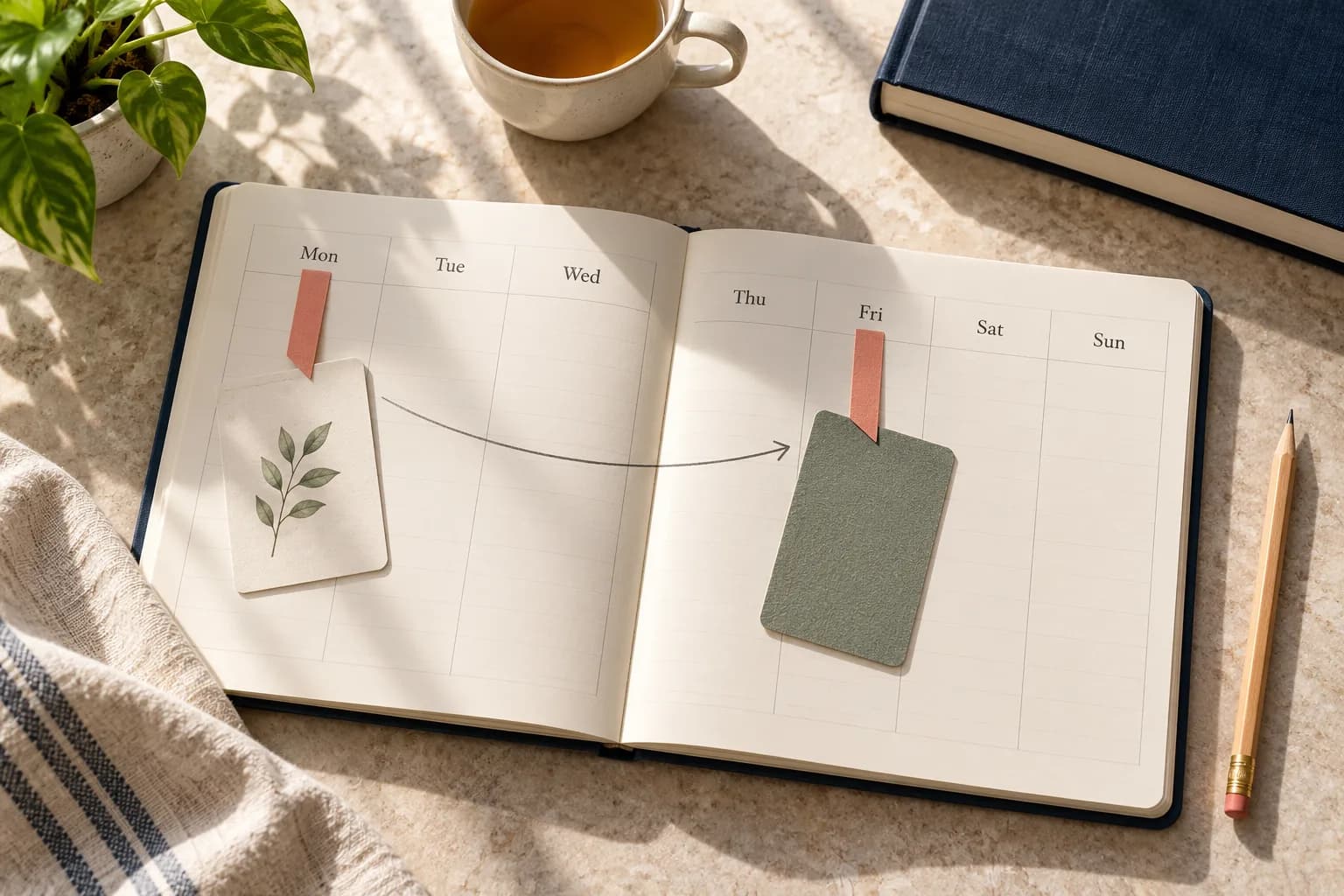
A short return on another day can tell you something that a long same-session drill cannot. The learner must recover the information after it has not been immediately in front of them.
Choose a manageable mix: some recently taught material, some familiar material, and an item you intend to revisit. If the return is difficult, use that information to reteach or reduce the step. Do not treat a missed answer as a reason to remove all support or add an exhausting amount of work.
Vary the setting thoughtfully
Show the word in ordinary print, use a new story for the math fact, or ask the child to explain with paper instead of a screen. Change the context while keeping the target skill clear.
Notice which supports remain necessary and which can be reduced. A cue that was helpful during teaching can become optional as the learner gains independence. The practical question is whether the child can use the learning when the original display is no longer present. That is a more useful destination than remembering which attractive card came next in a familiar sequence.
Sources & further reading
Research background and Glow’s approach, alongside the original activity ideas in this guide.