Arizona ESA funding for reading, math and learning materials
Review Arizona ESA eligibility, purchasing guidance and recordkeeping before choosing reading materials, math resources or a learning subscription for your child.

Establish eligibility and read the applicable ESA agreement and purchasing guidance first. Keep product selection, expense approval and payment records as separate steps.
Arizona’s Empowerment Scholarship Account program can be relevant to families choosing education outside the public-school setting. Before planning a reading or math purchase, establish which eligibility route applies and how the account’s spending requirements work.
Start with the current eligibility page
On October 29, 2026, the Arizona Department of Education’s page states that applications are being accepted for 2026–27. Its universal K–12 route requires Arizona residency for the student and applicant, with an age requirement for entering kindergarten. Other routes and documentation requirements are listed separately.
Use the official eligibility page to check your situation. Do not assume that a resource being suitable for home learning establishes the family’s eligibility, or that a previous year’s application instructions remain current.
Read the agreement before planning expenses
The State Board adopted the 2026–27 ESA handbook as presented on March 30, 2026. The official meeting record’s item 4.C links the text under the filename “Draft.Clean.ESA 2026-2027 Parent Handbook 3.4.26”; the item’s Minutes tab records adoption. Use this adopted text and ADE’s current support instructions, rather than the older edition still linked from the parent-handbook landing page.
Pages 20–24 cover curriculum support, educational apps and non-public online learning. Online subscriptions must be for the contract year. A shared subscription needs an itemized receipt reflecting each student’s subscription. That matters for a Glow account with up to 40 seats: do not assume the full shared license can be charged to one student. Ask ADE to review the exact product, student allocation and access dates.
The handbook makes some supplemental-material documentation conditional on law or court orders, while ADE’s current FAQ asks for curriculum support. Prepare the learning objectives, teaching activities and required materials, and confirm the current documentation before purchasing. Add student identifiers only within ADE’s official process, not in the public Glow planner.
Build the resource list from the learning plan
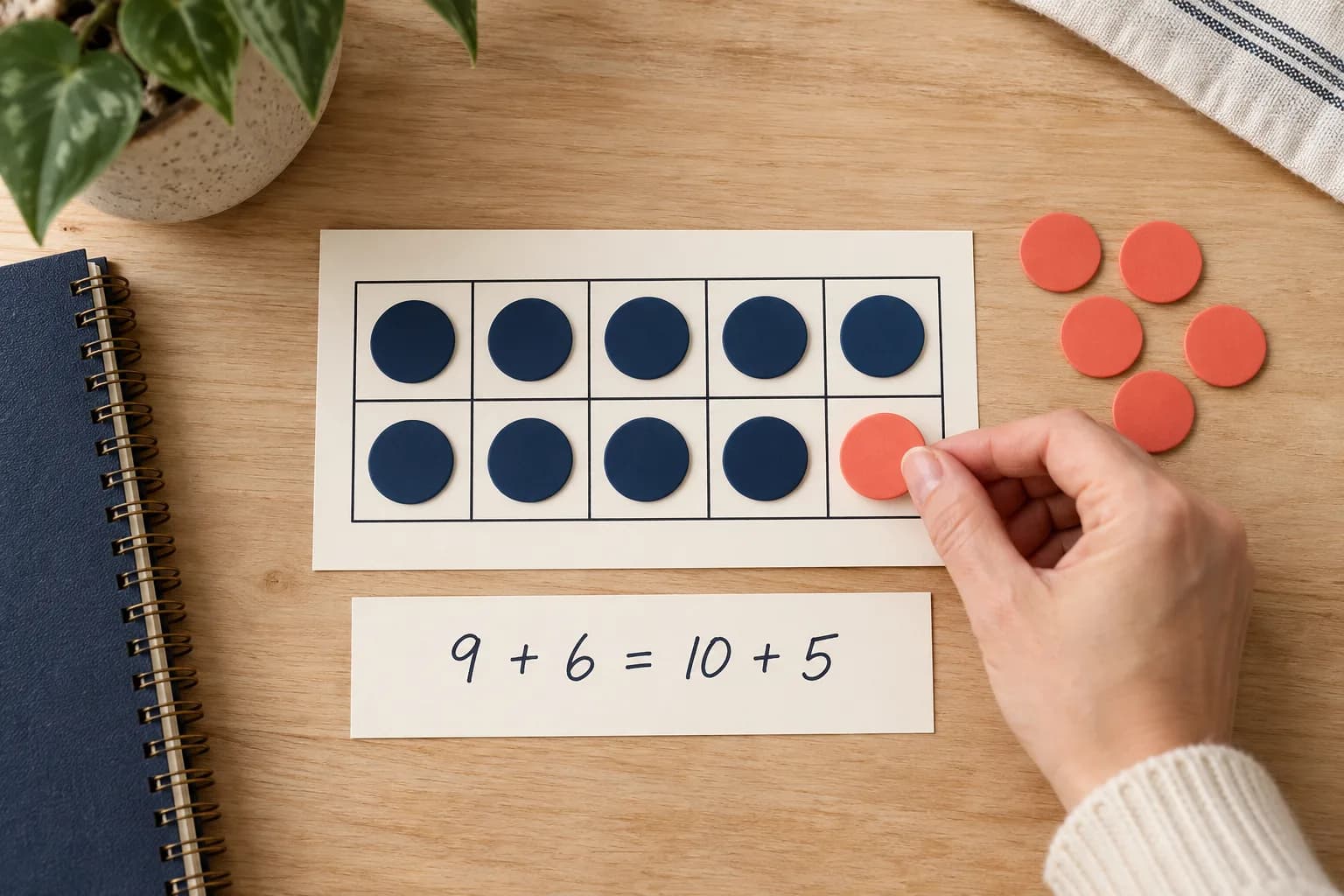
Choose the instruction first. For a learner working on addition, a plan might combine an adult explanation, physical counters, a paper model and selected digital practice. For reading, choose materials that match the spelling patterns and language skills being taught. These are planning suggestions, not ESA purchasing rules.
List what you already have and identify the gap each proposed item fills. A subscription should have a defined purpose, such as providing practice with a particular skill, rather than being included simply because it is available to buy.
Compare access periods and total costs. Note whether a product is a complete curriculum, supplemental practice or a service requiring a separate instructor. Those distinctions help both your teaching decisions and the questions you ask the program administrator.
Confirm the purchase and payment route
Applications are accepted year-round, with funding beginning in the quarter the contract is signed. ADE reviews complete applications within 30 days. After approval and signing, use ClassWallet through the ESA portal for the appropriate payment or reimbursement route. Purchases made before the contract are not eligible.
Before committing funds, ask how the proposed expense should be handled and which documentation is required. Provide an itemized description, current price, subscription period and intended educational use. If considering Glow, identify the specific app or bundle and ask about that exact purchase.
Keep the approval question separate from payment mechanics. Being able to find a seller, use a payment method or obtain a receipt does not establish that the expense qualifies. Use the department’s official support channels for uncertainty about the account.
Keep records that support later review
Create a folder for the applicable agreement, guidance, purchase records and administrator responses. Record the student associated with each expense in your private records, and retain documentation according to the program’s requirements. Avoid submitting the same cost more than once or assuming one shared subscription can be fully charged to several accounts.
Set a reminder before any subscription renews. Review whether the learner is using it, whether it fits the next instructional period and whether the next charge remains eligible. A planned renewal decision helps the family control costs and keeps the educational purpose of the purchase clear.
Sources & further reading
Program details checked October 29, 2026. Use the official sources below to confirm current eligibility, application dates and purchase requirements. Project examples and planning suggestions are by Glow Education.