Celebrate learning progress without speed or comparison
Use specific feedback about strategies, explanations, and growing independence to help children notice progress without public rankings or pressure.
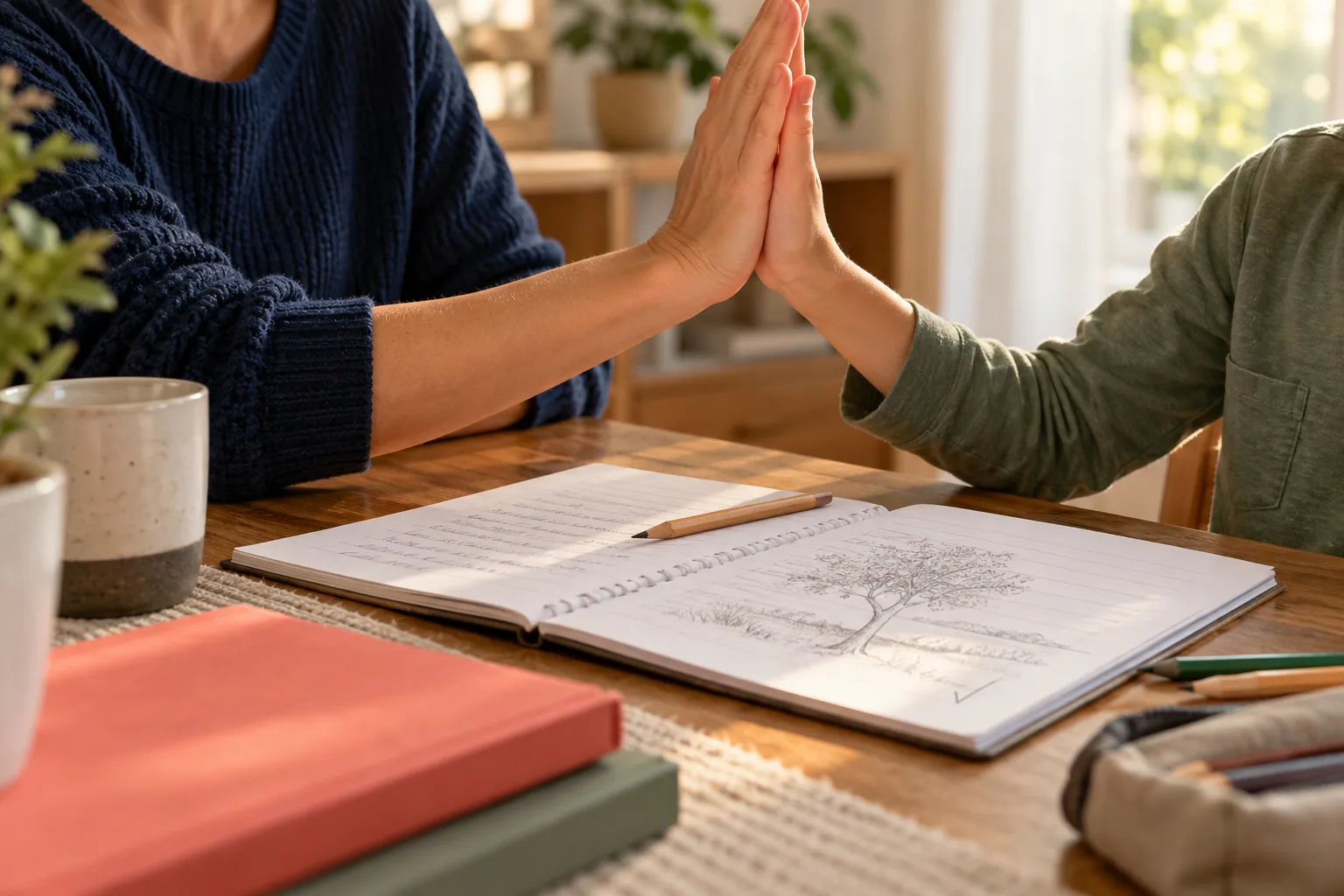
Celebrate an observable learning step and help the child recognize what made it possible.
A child does not need to be the fastest reader or the first to finish a worksheet to have made meaningful progress. A new strategy, a clearer explanation, or a response completed with less help can all be worth noticing. The adult's feedback can make those changes visible.
In M.I.R.E.R., Reward is the final part of the cycle, but celebration belongs throughout learning. The aim is to recognize something the child actually did and connect it to a useful next step.
Describe the moment
Instead of only saying “great job,” name the action: “You checked all the letters before reading the word” or “You used ten to work out the answer when you weren't sure.” Specific feedback tells the learner what was effective.
Keep it accurate. If the child needed a model, celebrate how they used it rather than claiming they did the task entirely alone. The supported step can be meaningful in its own right.
Notice growing independence
Compare the learner with their earlier work, not with another child. “Yesterday I showed the first jump; today you chose where to start” gives a concrete account of progress.
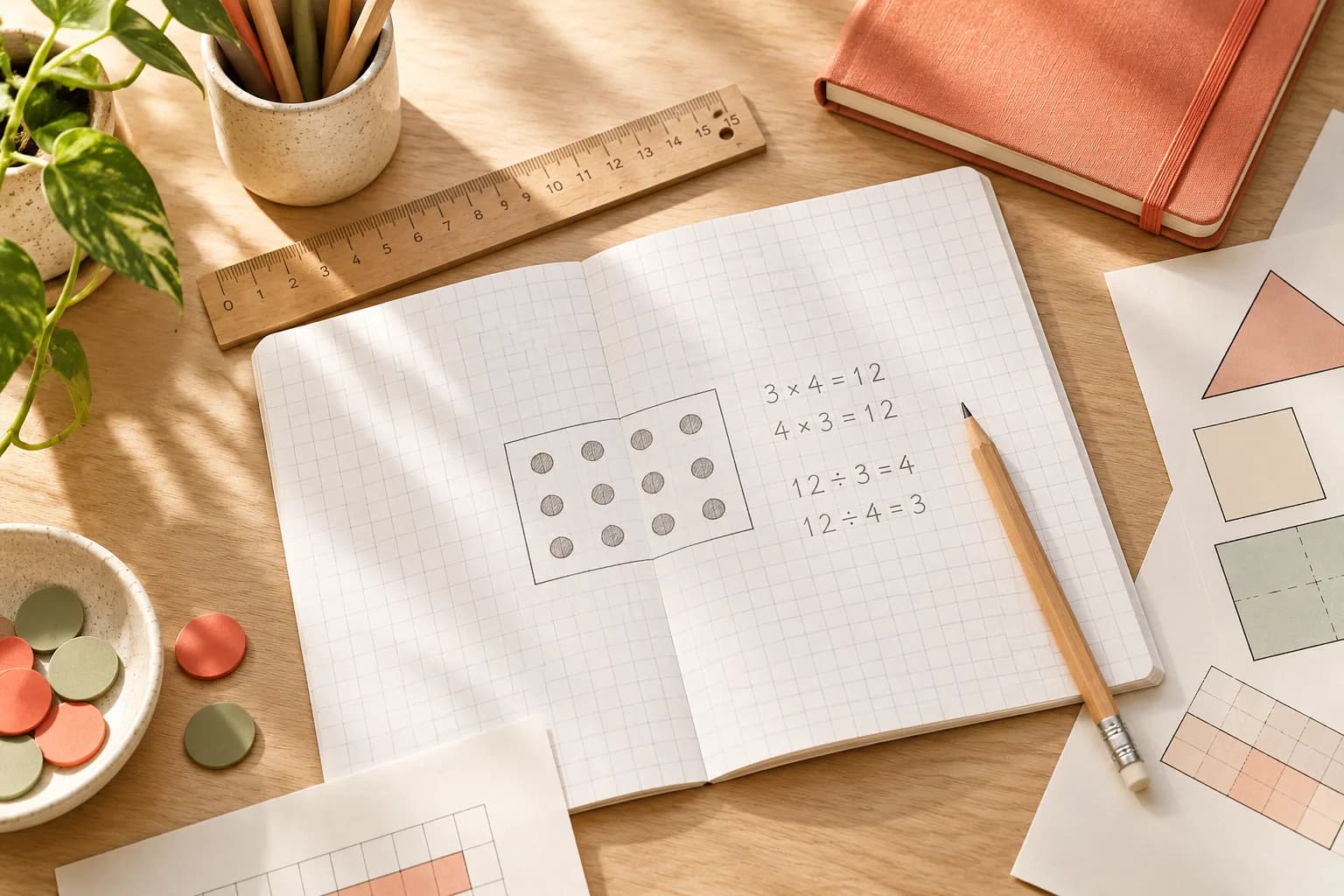
A learner might still need a number line or counters while becoming more independent in choosing and using them. Independence is not always the absence of tools. It can mean knowing which tool helps and explaining what it represents.
Invite the learner’s view
Ask, “What felt clearer today?” or “Which part did you figure out?” Give the child room to name a success or a remaining question. Their answer can help you understand which support they found useful.
Avoid requiring a cheerful response after a difficult session. You can acknowledge effort and frustration together: “That took work. The drawing helped us see the missing group.” A calm finish can be more useful than insisting every activity ends with excitement.
Keep rewards connected to learning
If you use stickers, choices, or a classroom celebration, explain what is being recognized and make room for different kinds of progress. Do not make public rankings or speed the only route to recognition.
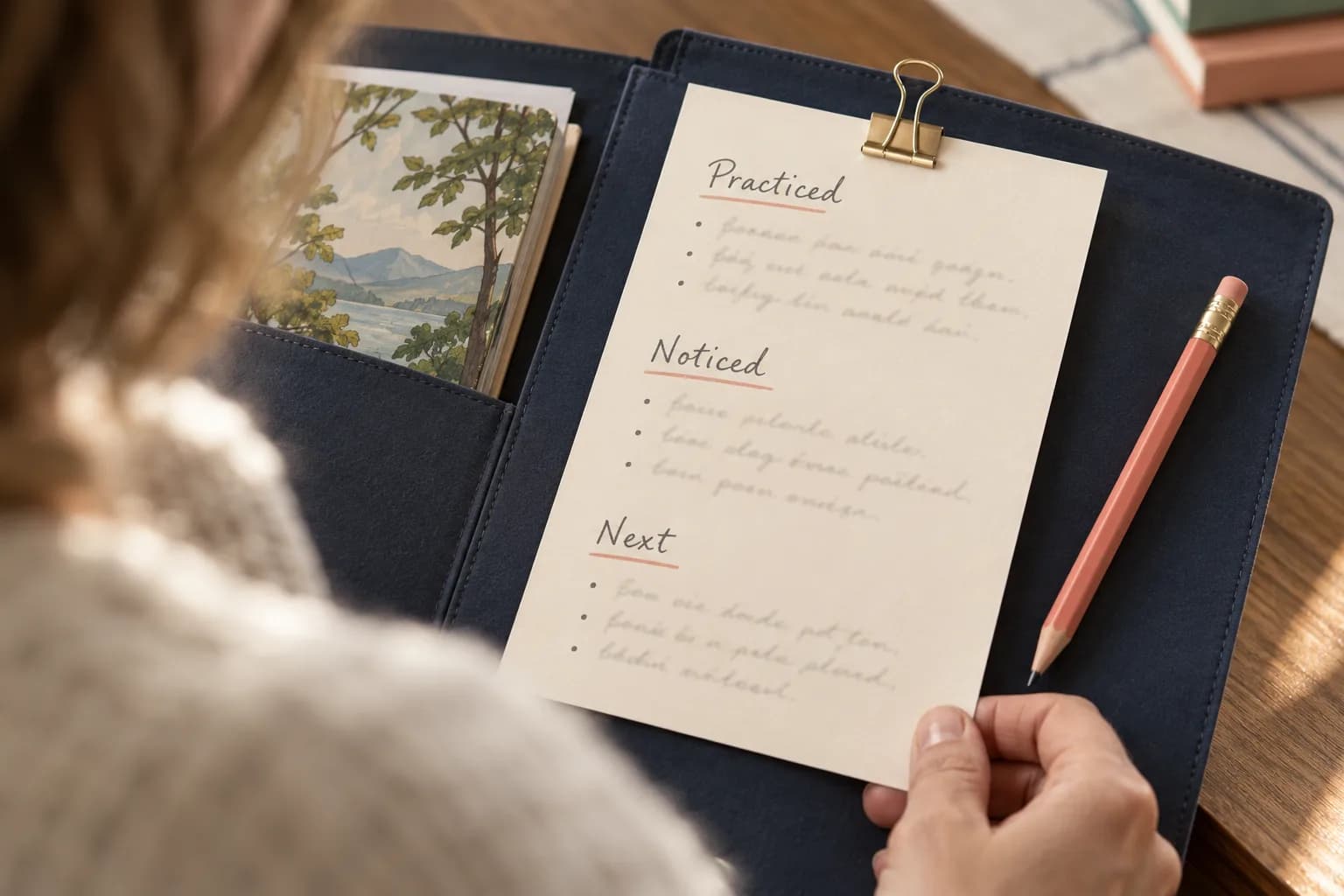
End with a small next step: return to one word in a new sentence, try a related fact, or explain the model to a trusted adult. The reward becomes a moment of noticing rather than a verdict. It helps the learner see that practice can change what they understand and do, while leaving room to need support again when the next challenge arrives.
Sources & further reading
Research background and Glow’s approach, alongside the original activity ideas in this guide.