M.I.R.E.R. in practice: a focused plan for nine-times facts
Follow an illustrative math reinforcement cycle from repeated nine-times errors to an adult-reviewed model, independent check, and later return.

Target the relationship behind the missed facts, then check a fresh example before deciding what comes next.
Imagine a learner who handles many multiplication facts comfortably but repeatedly needs help with 9 × 6 and 9 × 7. This illustrative example shows how an adult could use the M.I.R.E.R. cycle to focus the next session. It is a teaching scenario, not a report of a particular student's results.
The goal is not to assign the entire nine-times table again. It is to find a useful relationship, teach it clearly, and see whether the child can use it with less support.
Notice the pattern and review the context
Begin with comparable practice attempts. Were these first answers, responses after hints, or learner self-checks? Did the child understand the activity? Was the session interrupted?
In the M.I.R.E.R. workspace, the adult reviews the recommendation alongside its evidence. They might accept the focus, adjust it, or decide that a prerequisite such as equal groups needs attention first.
Choose a model that explains the facts
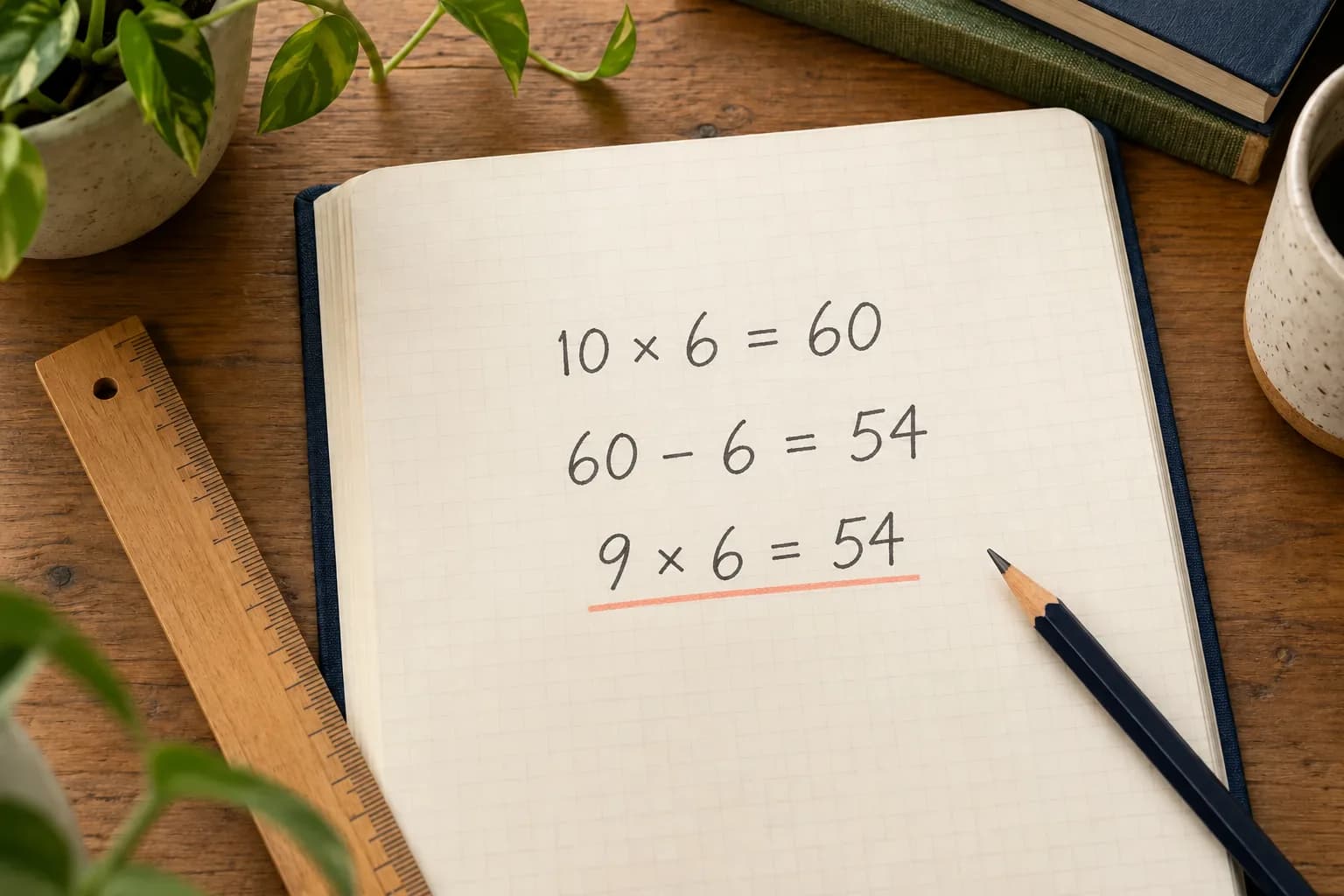
A ten-groups-minus-one-group model provides a clear route. Draw ten rows of six, find 60, then cover one row. Nine rows remain, so 9 × 6 equals 60 − 6, or 54.
Repeat with ten rows of seven. Remove one row of seven from 70 to find 63. Ask the learner what is being removed. If they say “one,” clarify whether they mean one object or one complete group.
Prepare the next practice session
An adult-approved reinforcement activity can be opened through its six-character code or QR code in the signed-in browser workflow. Confirm the assigned learner before starting. Use the activity on its own or include it as a support session in the plan.
Explain the model before expecting recall. Keep the work small enough that the child has time to think, show the groups, and describe the relationship. The existing learning plan does not need to be replaced to make room for this focused support.
Check and return
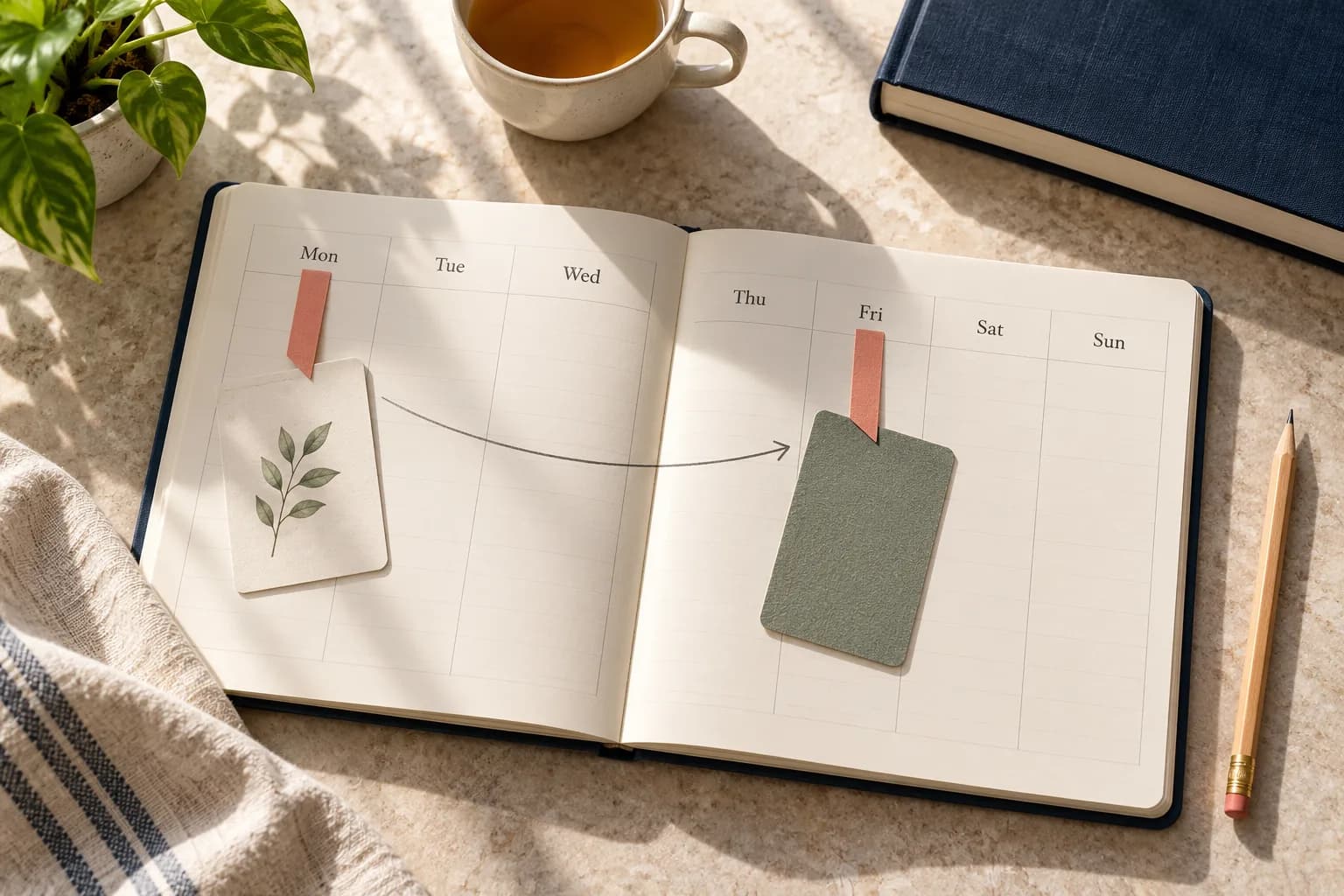
Offer a fresh example, such as 9 × 4, before showing the completed model. Record the first response separately from any later help. Then revisit the original facts after a gap, mixed with familiar material.
Celebrate the specific change you observed: “You knew to remove a whole group” or “You explained how tens helped.” If the relationship is still unclear, return to equal groups or use a different representation. M.I.R.E.R. is useful because the cycle continues from what happened, rather than treating the first recommendation as the final answer.
Sources & further reading
Research background and Glow’s approach, alongside the original activity ideas in this guide.