Reading comprehension questions that start a conversation
Move beyond quizzing with simple before, during, and after reading prompts that help children explain meaning and use evidence from a text.

Ask a useful question, listen to the reasoning, and return to the text together when an answer needs support.
“Did you understand it?” rarely gives an adult much to work with. A child may say yes because they enjoyed the story, or no because one word was unfamiliar. A more specific conversation can reveal what they understood and where a little support would help.
Choose one or two questions that fit the text. The goal is to make meaning together, not to turn every page into a worksheet.
Start with a real purpose
Before reading, ask what the child notices about the title or what they already know about the topic. For a book about seeds, you might ask, “What do you think a seed needs?” Save their idea to revisit later.
Avoid asking children to guess unfamiliar printed words from pictures. Pictures can enrich a discussion about meaning while the actual words are read through their spelling or supplied by an adult when appropriate.
Ask about something the text can answer
After a short section, ask a concrete question: “Where did the character leave the bag?” Then invite the child to show or describe the part that helped them. An oral answer, pointing, or a quick drawing may communicate understanding without adding a writing challenge.
For a deeper question, ask, “Why do you think the character went back?” Listen for a connection between the child's idea and something in the story. If the answer is unexpected, ask what made them think that before correcting it.
Use a simple retell
Ask for the beginning, an important event, and the ending. For nonfiction, try “Tell me two things you learned and one thing you still wonder.” Choose a structure that fits the text rather than forcing every book into the same pattern.
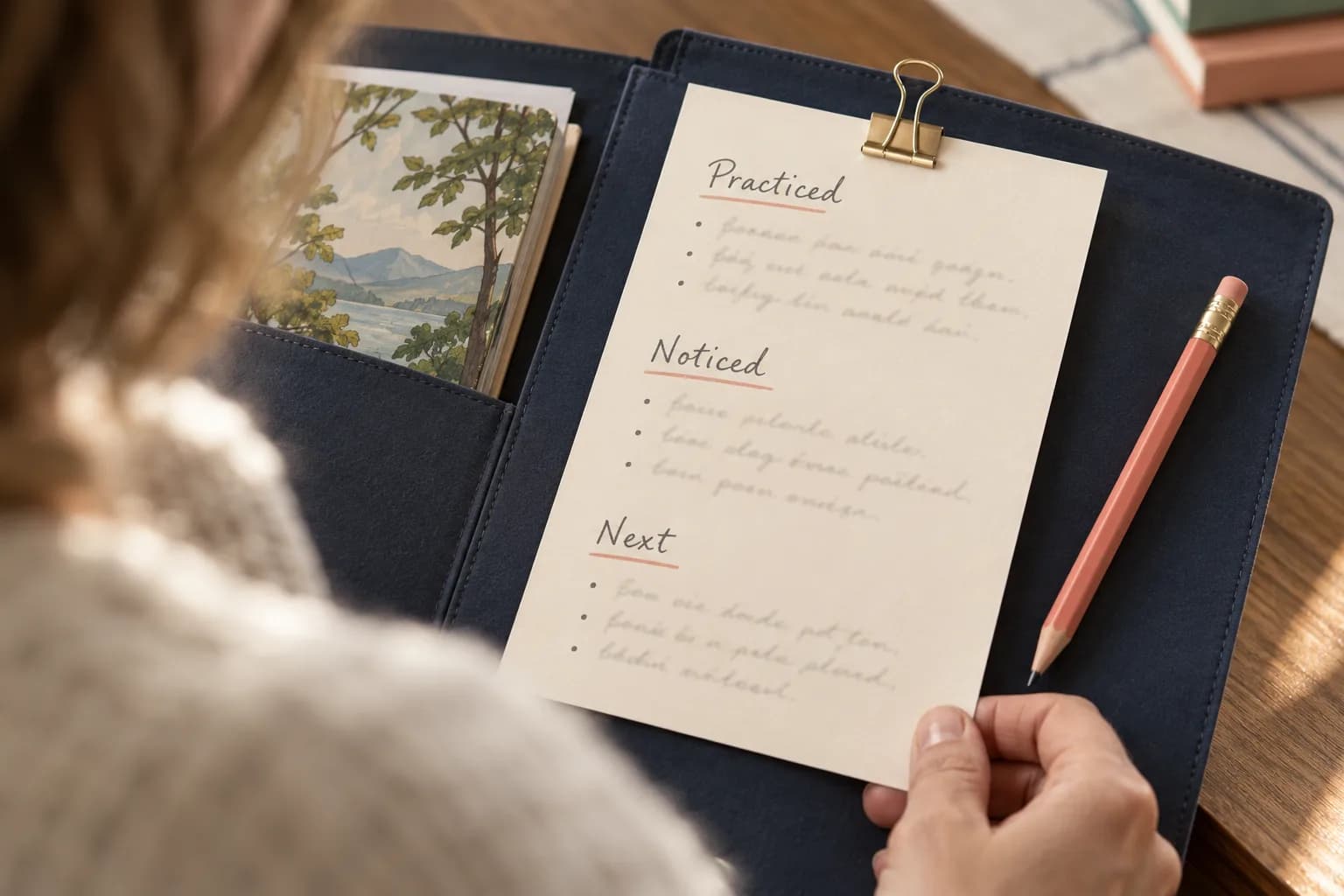
If the child loses the sequence, return to a page or illustration together. Model a concise retell yourself, then invite them to add a detail. Record that as supported work if you are using the conversation to plan instruction.
Separate reading difficulty from discussion difficulty
If decoding was hard, read the passage aloud and discuss it again. A stronger answer after listening suggests the child may need more support accessing the print. It does not automatically settle the question, but it gives you a useful comparison.
If the child read smoothly but cannot explain a key idea, clarify vocabulary, reread the relevant part, or model how two sentences connect. Choose the next lesson from that specific observation. “Needs another look at why the event happened” points to an action; “poor comprehension” is too broad to guide tomorrow.
Sources & further reading
Research background and Glow’s approach, alongside the original activity ideas in this guide.