Choose reading practice by readiness, not just grade
Find a useful starting point for reading practice by checking taught phonics, familiar words, connected text, and the support a child needs.

Grade labels help you browse; the child’s actual reading helps you choose.
A grade-level label is a convenient signpost. It is not a full description of a reader. Two children in the same class may need different words, spelling patterns, and amounts of adult support. A useful starting point comes from observing a few manageable tasks, then adjusting.
You do not need to conduct a long test before every lesson. Begin with what the child has already been taught and use a short check to see how independently they can use it.
Ask what has been taught
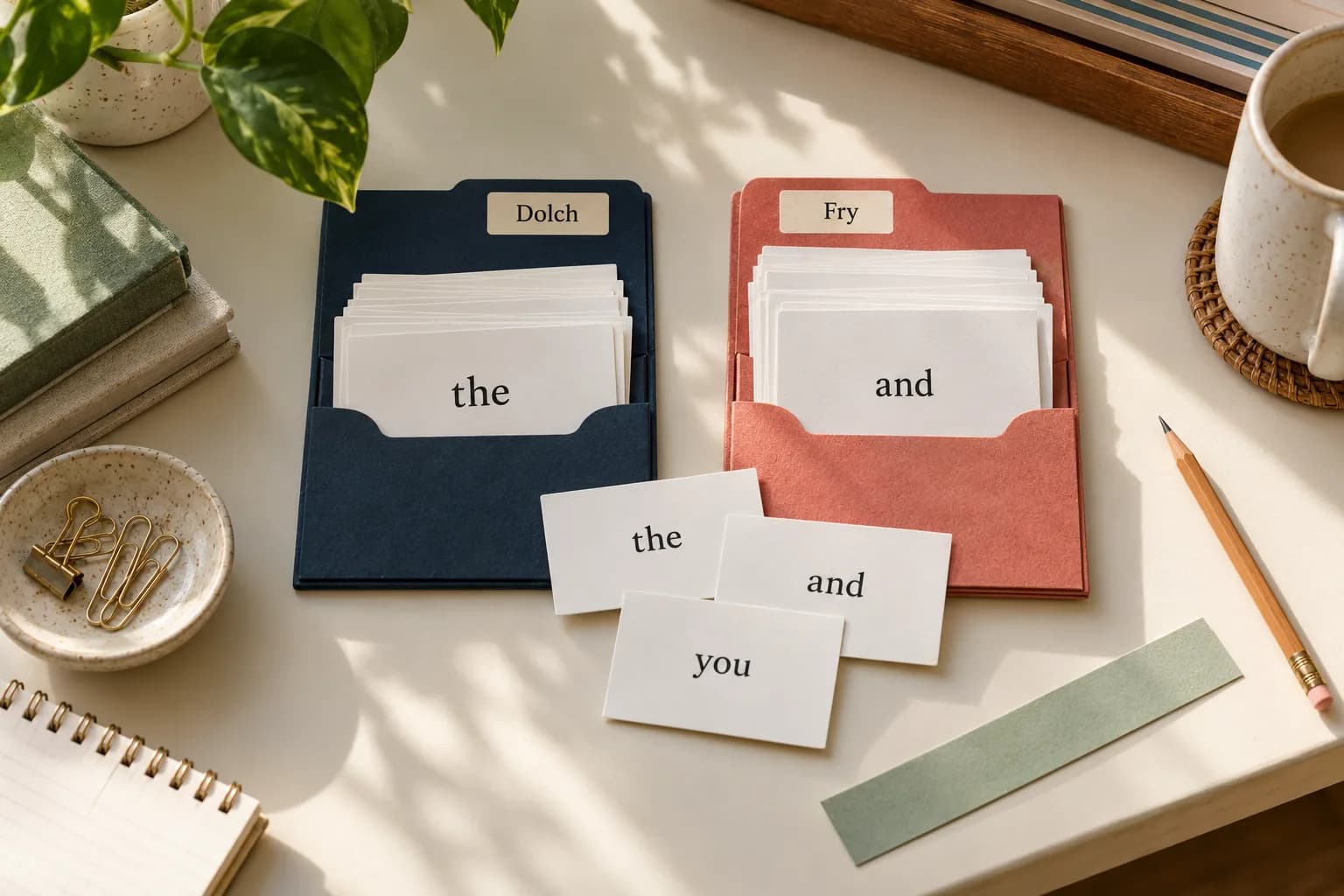
Look at the current phonics sequence or ask the teacher which patterns are familiar. Gather a few words using those patterns. Include something you expect the child to read comfortably before trying a slightly less familiar example.
If the learner has not been taught a spelling, treat it as an instructional opportunity rather than an unexplained failure. This keeps the check fair and makes your next step clearer.
Observe more than a word card
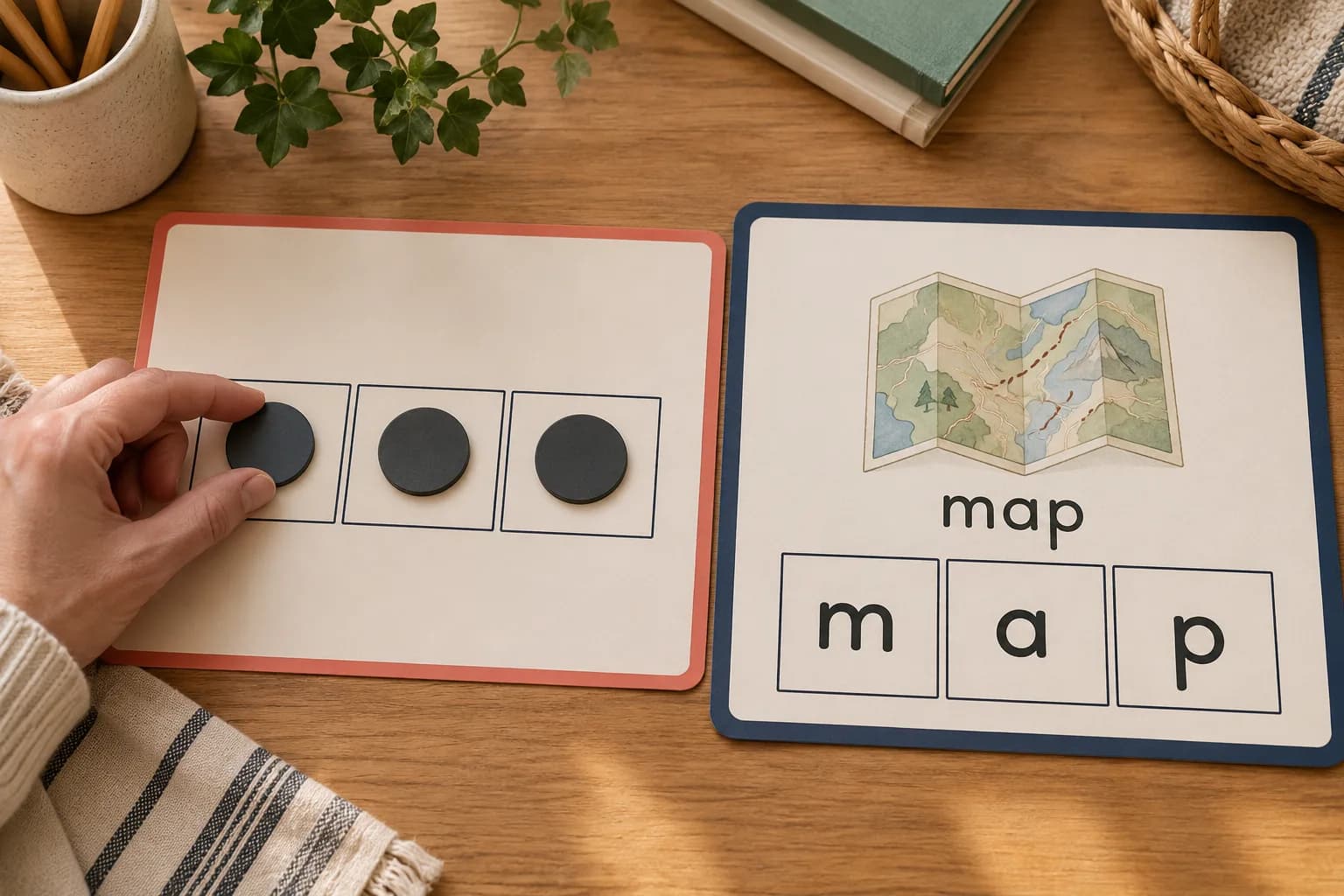
Invite the child to read a small set of words, build or write one of them, and read a brief sentence. Notice whether the skill carries between formats. A child might recognize “shop” on a card but need help spelling it or reading it in a longer sentence.
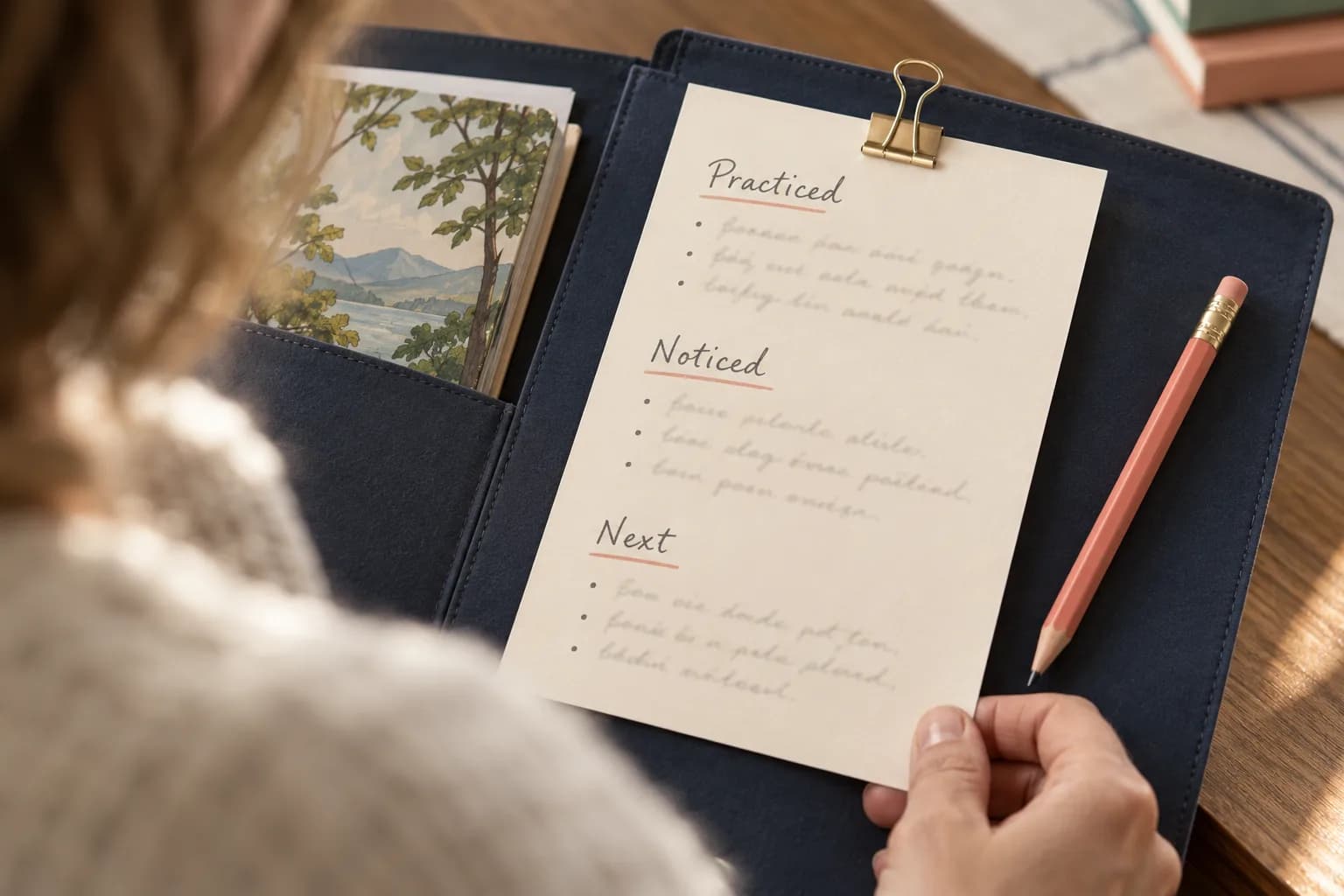
Keep notes descriptive: “Blends sh words with one reminder” or “Reads the taught words independently in a sentence.” Avoid converting a handful of attempts into a sweeping reading-level claim.
Choose a task with room for success
If the child needs support on nearly every item, reduce the demands. Use fewer words, a familiar pattern, or a shorter text. If they manage the work accurately and can explain the meaning, introduce a small next challenge.
Readiness can vary by skill. A learner may discuss sophisticated stories while still needing foundational decoding instruction. Offer rich read-alouds alongside accessible independent practice so that one area does not unnecessarily restrict the other.
Use the lesson pathway as a flexible map
In Glow's lesson library, browse by subject and grade to narrow the choices, then read the lesson preview. Check the target words, goal, and suggested activity. Choose the lesson for the skill you intend to teach, not to keep pace with a display label.
After teaching, try a fresh example without the earlier model. Revisit the skill later in the week. If it needs more support, return to it with a different explanation rather than simply assigning more of the same. A good starting point is useful because it can move as the learner grows.
Sources & further reading
Research background and Glow’s approach, alongside the original activity ideas in this guide.