Introduce fractions through equal parts of a whole
Teach early fractions with paper folding, clear wholes, and equal-part comparisons before asking children to memorize fraction names.
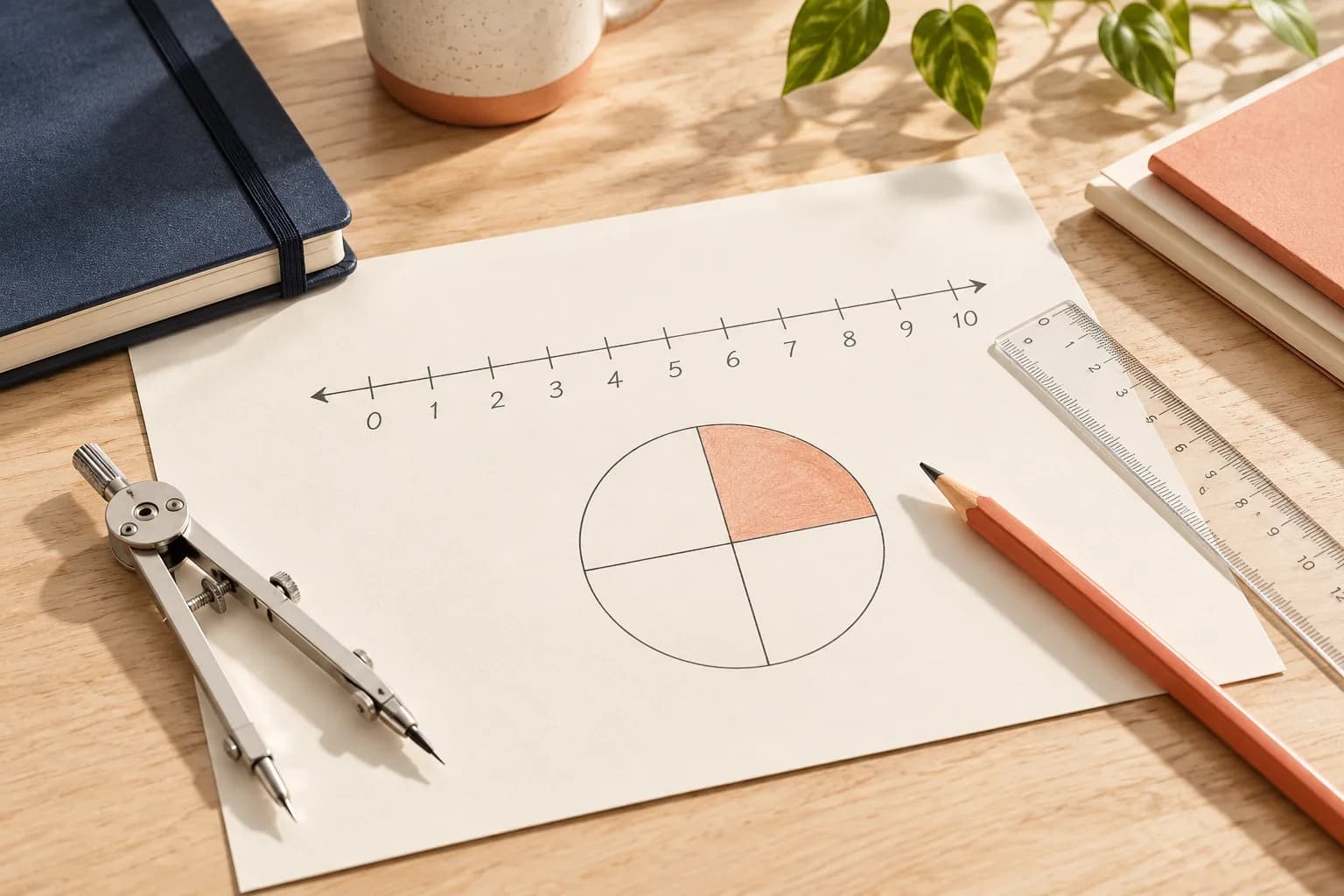
Identify the whole first, check that its parts are equal, and compare fractions using matching wholes.
A shape cut into four pieces does not automatically show fourths. The pieces must be equal shares of the whole. That single idea deserves careful attention before fraction notation becomes the focus.
Begin with identical paper rectangles. Paper folding lets learners create and inspect parts, and using matching wholes makes comparisons easier to interpret.
Name the whole
Hold up one rectangle and say that this entire piece is the whole for the activity. Fold it into two equal parts. Open it and discuss how the two parts fit together to make the original whole.
Shade one part and name it one half. Connect the two in the denominator to the two equal parts of the whole, and the one in the numerator to the part being considered. Introduce notation alongside the model, not as an isolated rule.
Compare an example and a nonexample
On another matching rectangle, draw a line that creates two very unequal pieces. Ask whether each piece is one half. Invite the learner to explain why the number of pieces alone is not enough.
Keep this discussion concrete. “These two pieces do not share the whole equally” gives the child something to inspect. You can fold or overlay the paper to compare sizes.
Explore fourths with the same whole
Fold a matching rectangle into four equal parts. Shade one fourth and compare it with the shaded half on the first rectangle. Ask which is larger and how the paper shows it.
A learner may think four means the fraction must be bigger than a half. Return to the identical wholes: dividing the same amount into more equal parts makes each part smaller. Avoid comparing unrelated whole sizes while introducing this idea.
Change the representation carefully
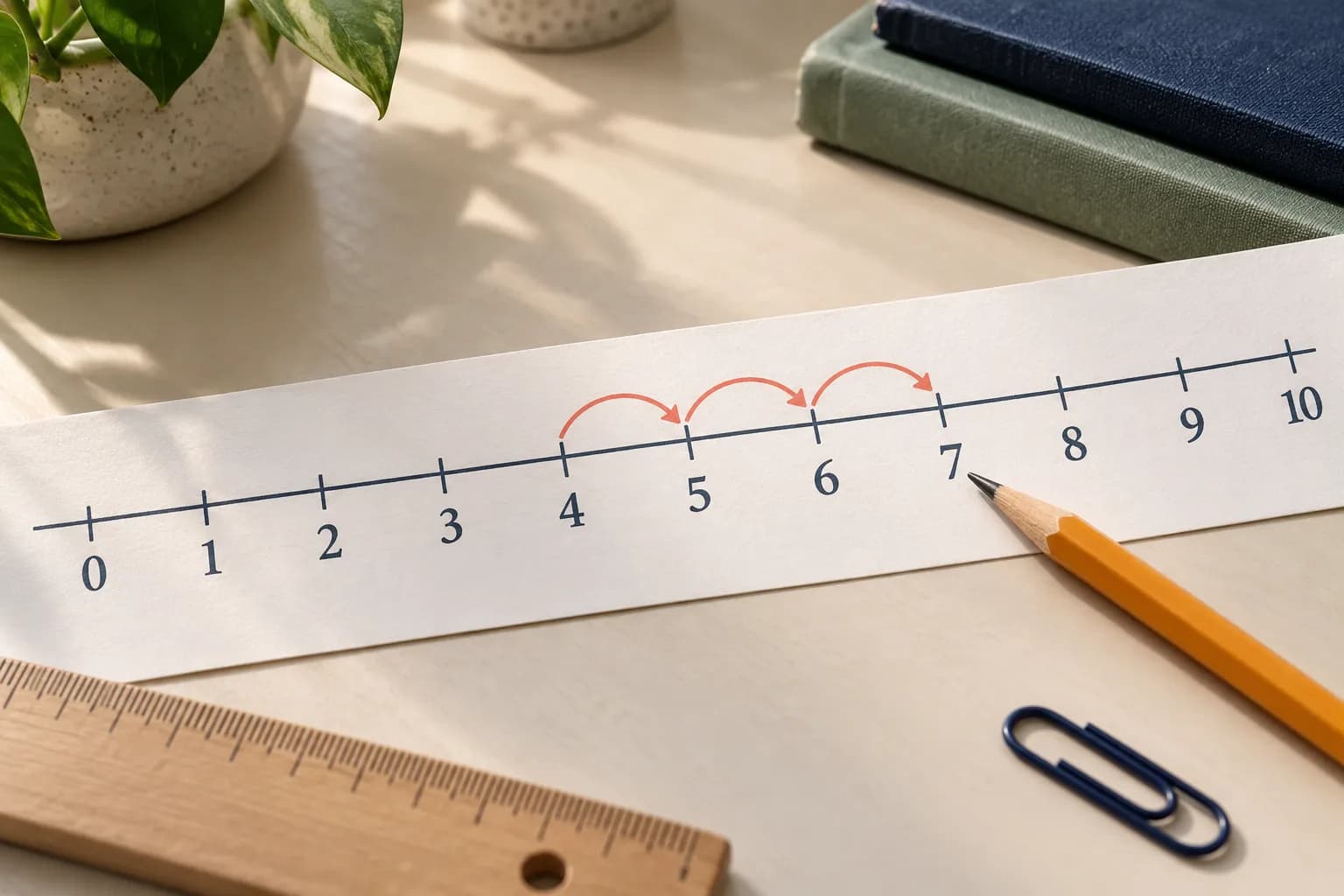
After paper regions are familiar, show a line from zero to one and divide it into equal intervals. Connect the entire interval to one whole and its midpoint to one half. Explain that a number line represents a different kind of model than a shaded region.
Finish with a fresh paper shape and ask the child to create equal halves or fourths and explain their work. Later, use a simple sharing story. If they name a fraction correctly but cannot show the equal shares, return to the model. The notation becomes more useful when the learner can tell you what whole it refers to and how its parts were made.
Sources & further reading
Research background and Glow’s approach, alongside the original activity ideas in this guide.