Math fact fluency starts with understanding
Build math fact fluency with models, useful strategies, recall, and later checks instead of treating speed as the whole goal.
Kindergarten–Grade 3
Make numbers make sense, with models, explanations, and thoughtful practice.
10 articles to explore
Build math fact fluency with models, useful strategies, recall, and later checks instead of treating speed as the whole goal.
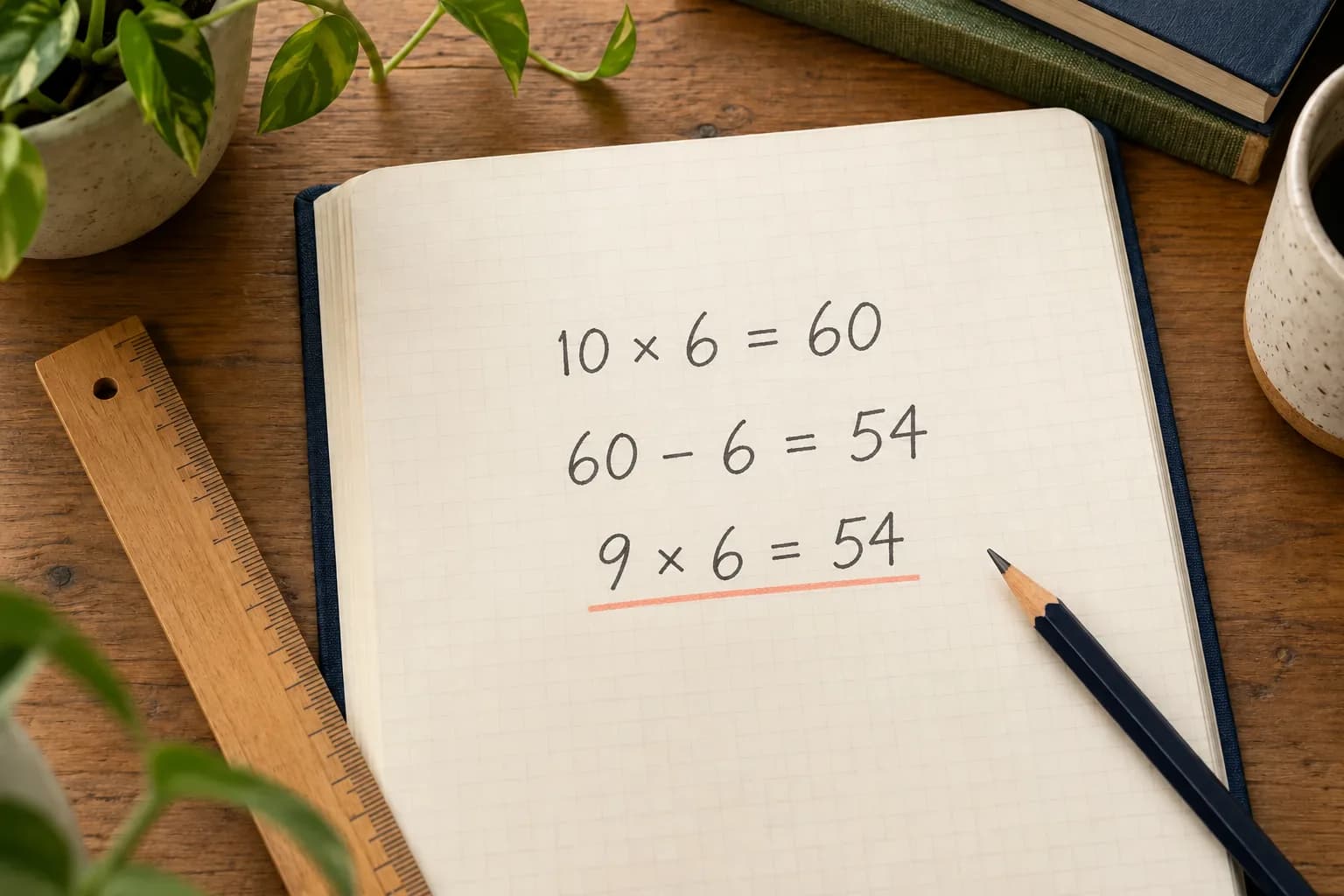
Kindergarten–Grade 3Use arrays and a ten-groups-minus-one-group strategy to reinforce nine-times facts, including 9 × 6 and 9 × 7.
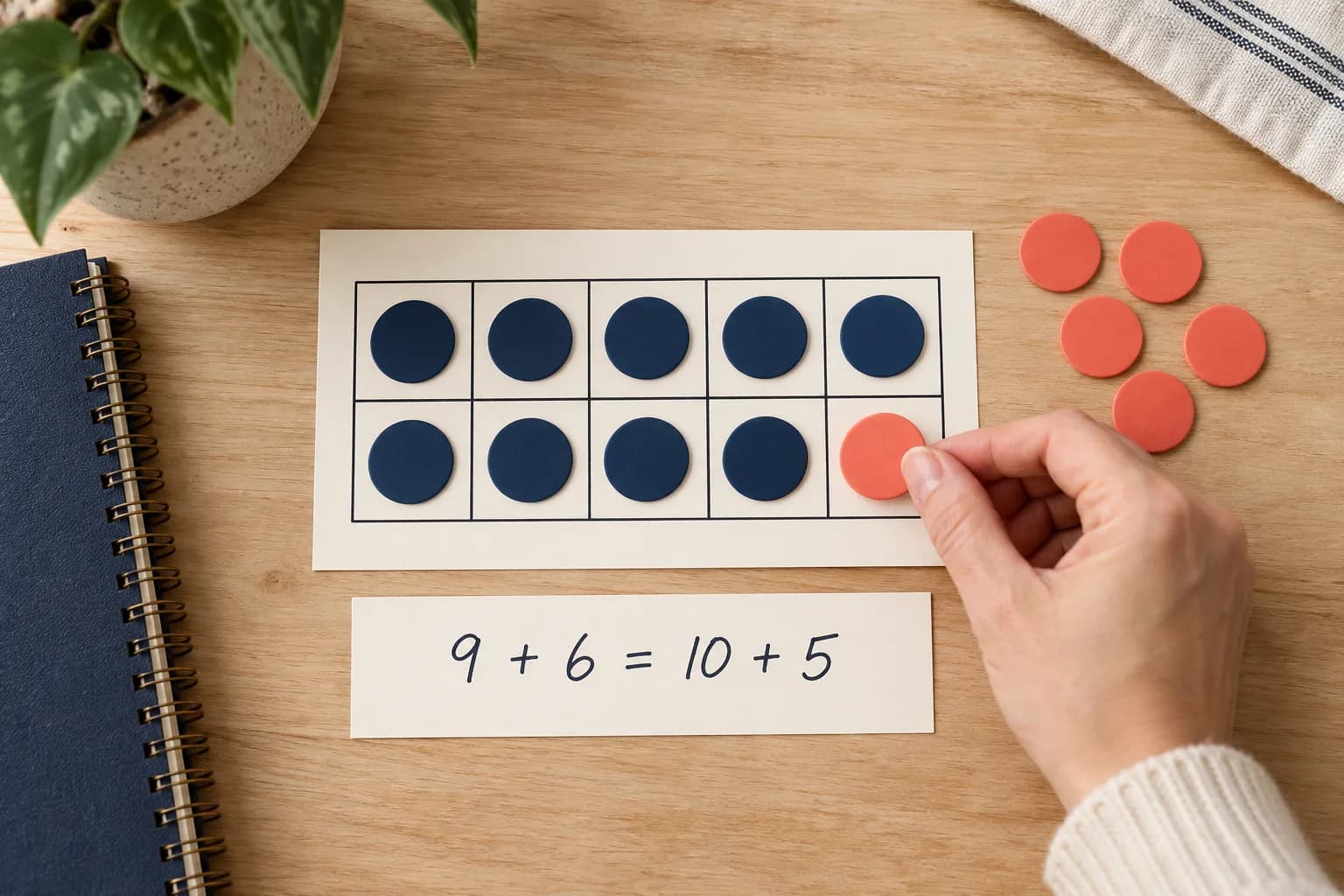
Multiplication learnersHelp children understand 8 + 5 and other sums that cross ten using counters, a ten-frame, and a clear bridge to written equations.
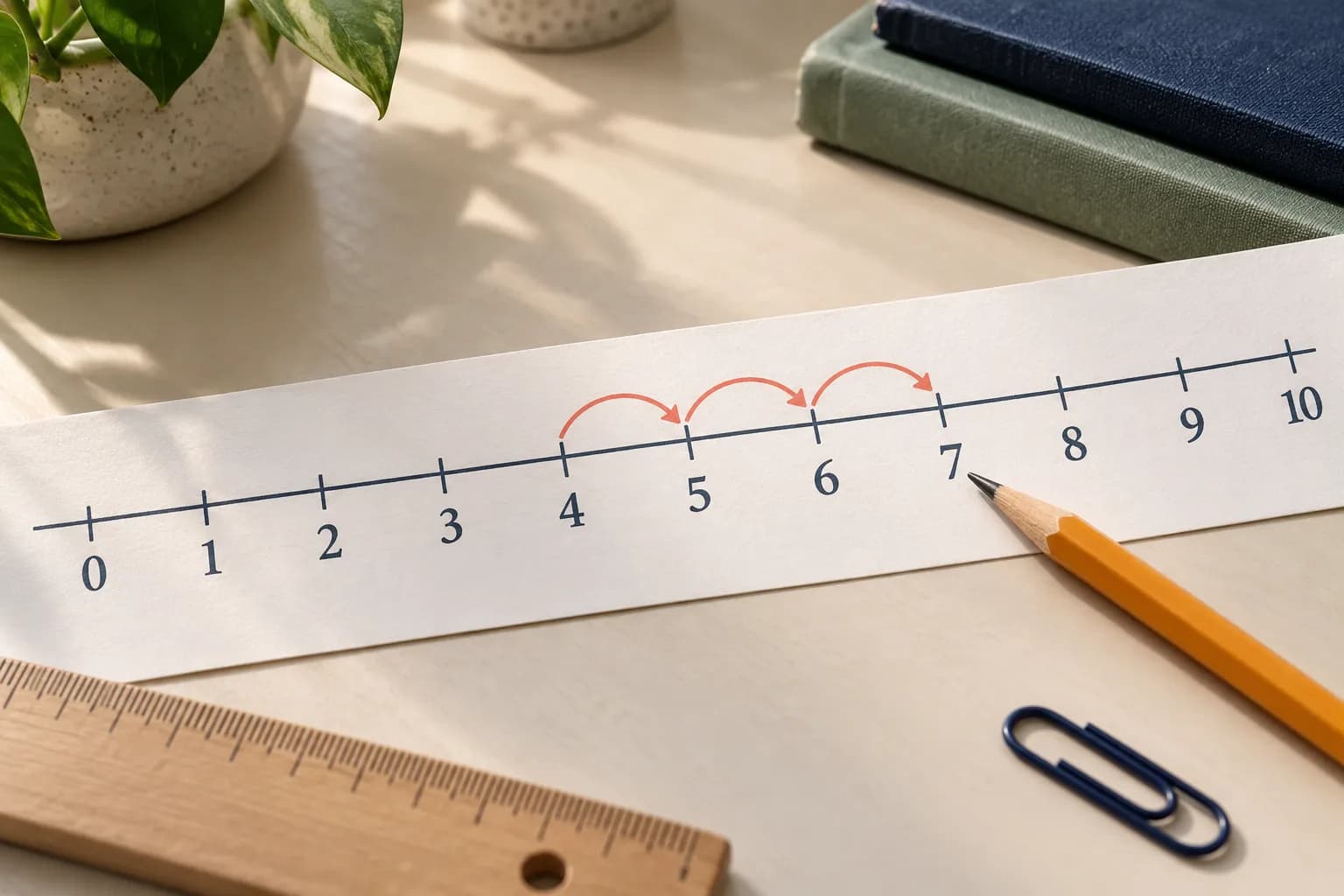
Kindergarten–Grade 2Teach learners to connect direction, starting points, and jumps on a number line with addition and subtraction equations.
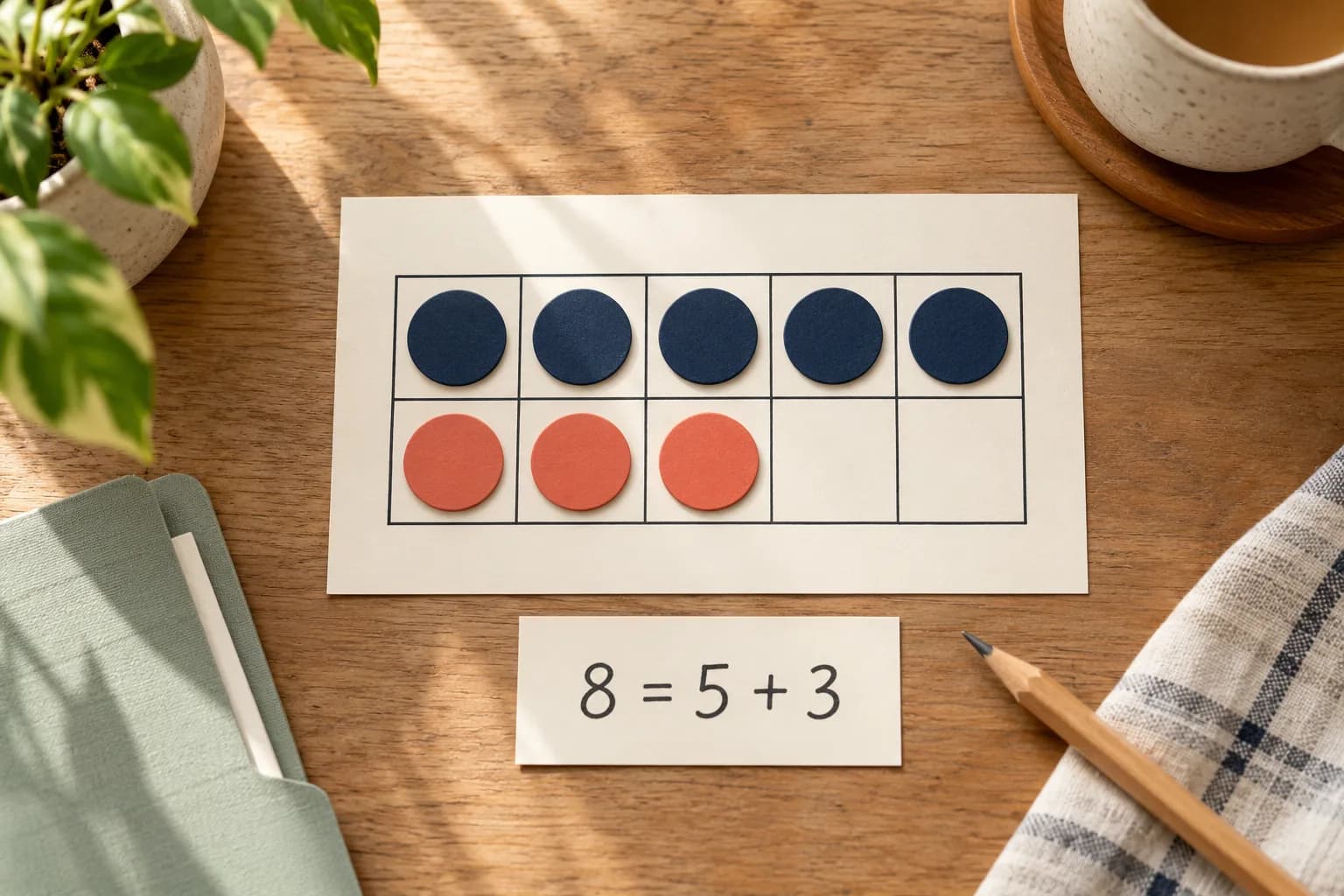
Kindergarten–Grade 3Use a ten-frame to explore five, ten, missing parts, and different ways to see a quantity before moving into addition.
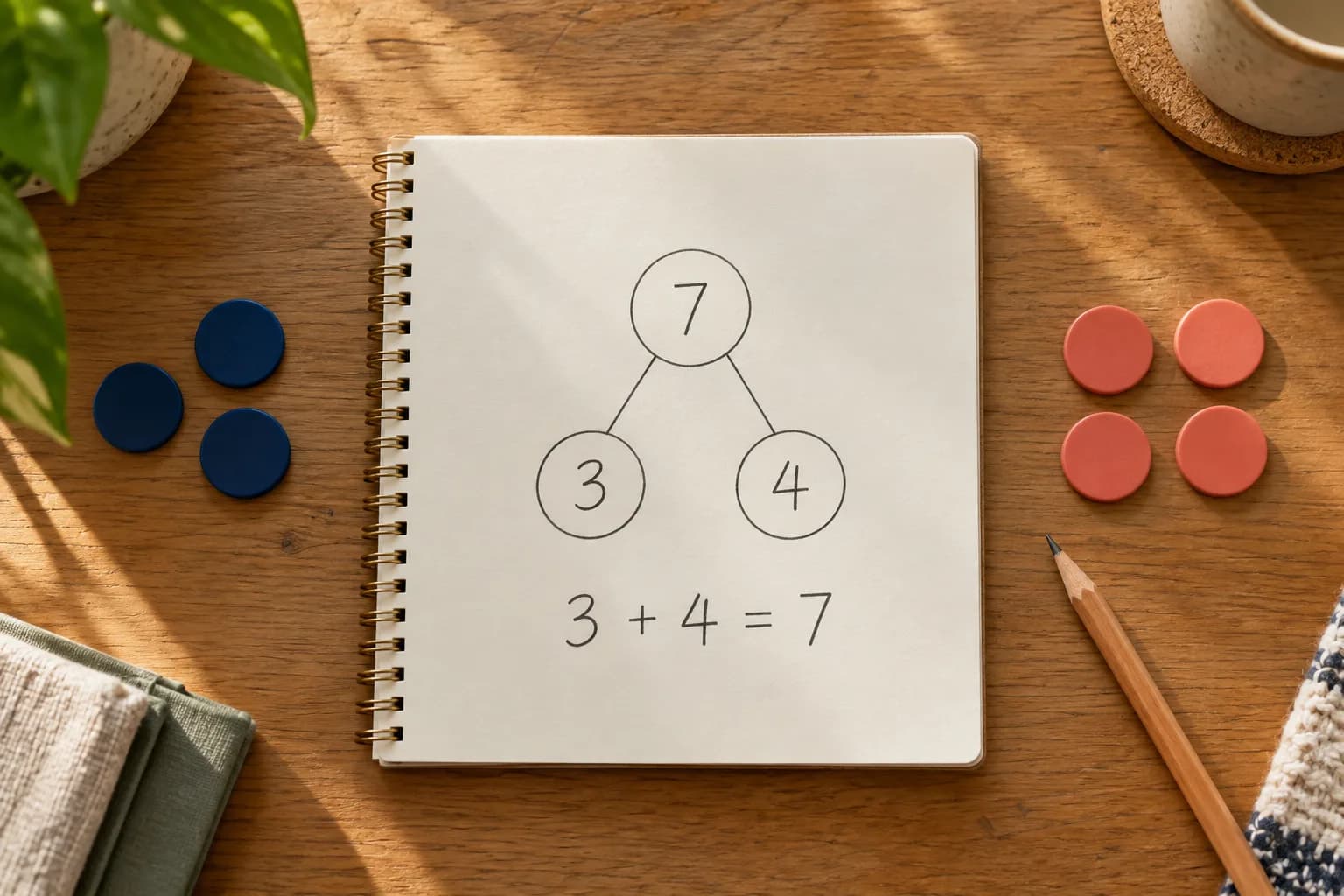
Preschool–Grade 1Use objects and drawings to help children split and recombine a whole, then connect number bonds to addition and subtraction.
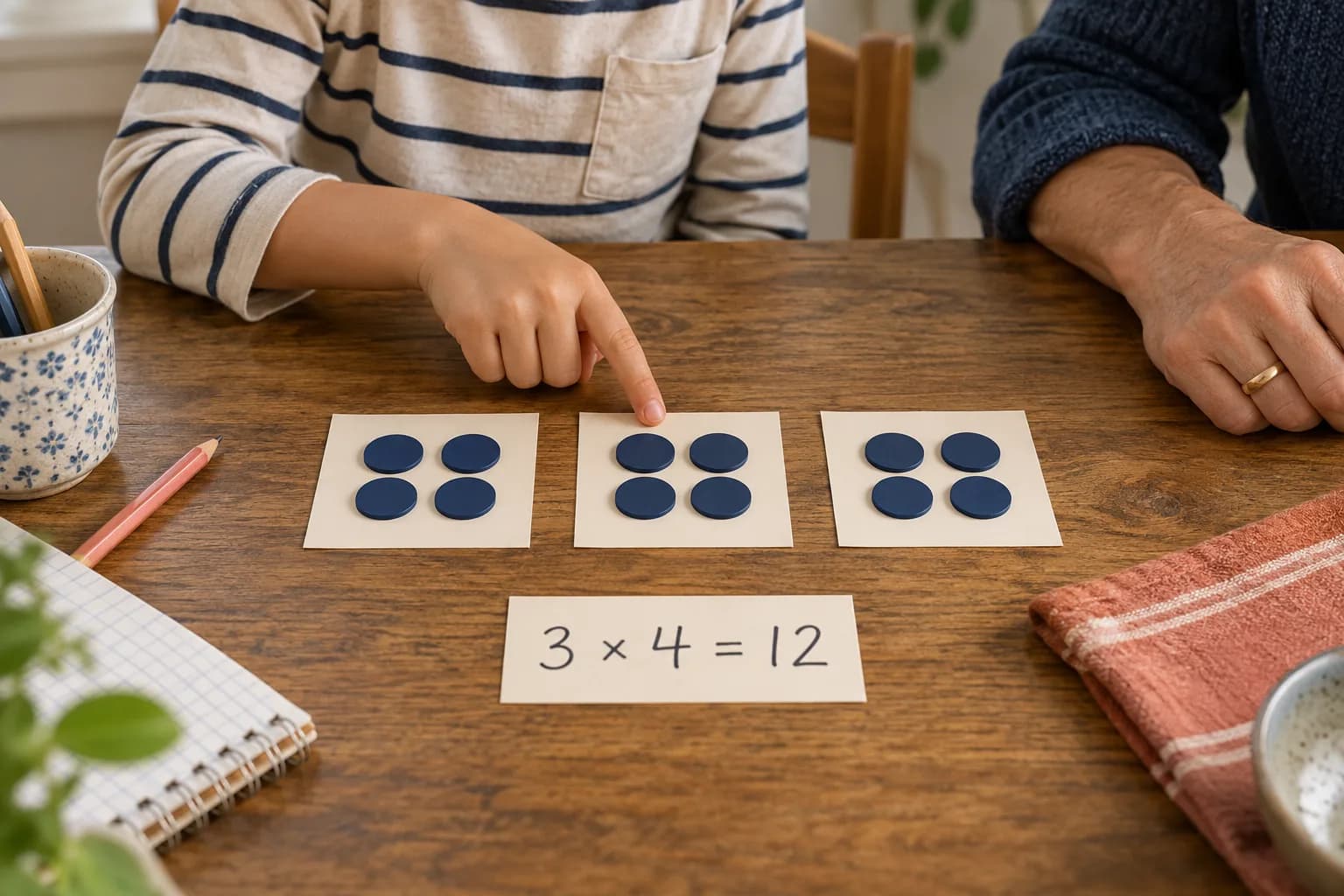
Kindergarten–Grade 2Introduce multiplication through equal groups, arrays, and stories so children understand what a fact represents before practicing recall.
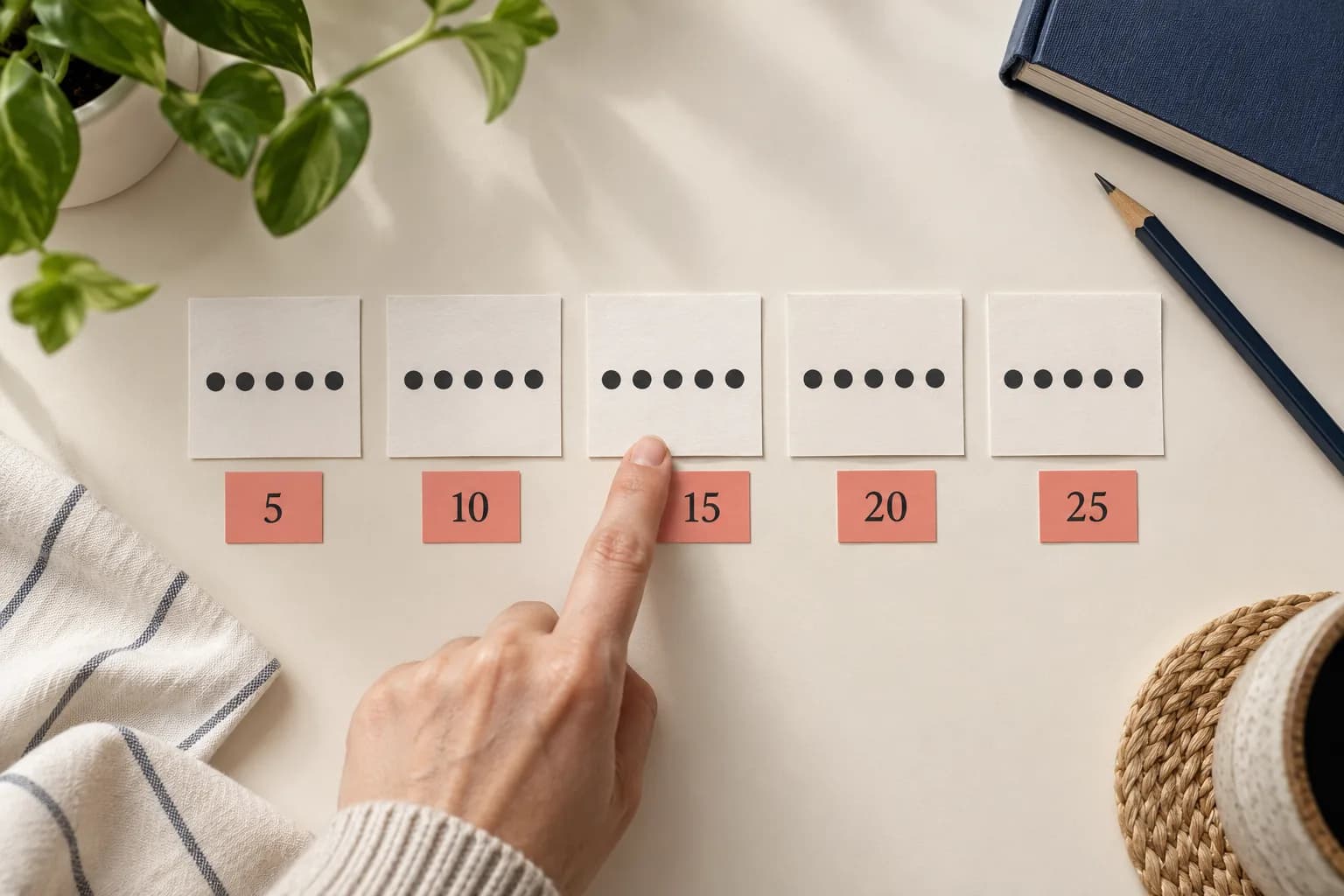
Grades 2–3Turn counting by twos, fives, and tens into meaningful work with equal groups, number lines, and missing-number questions.
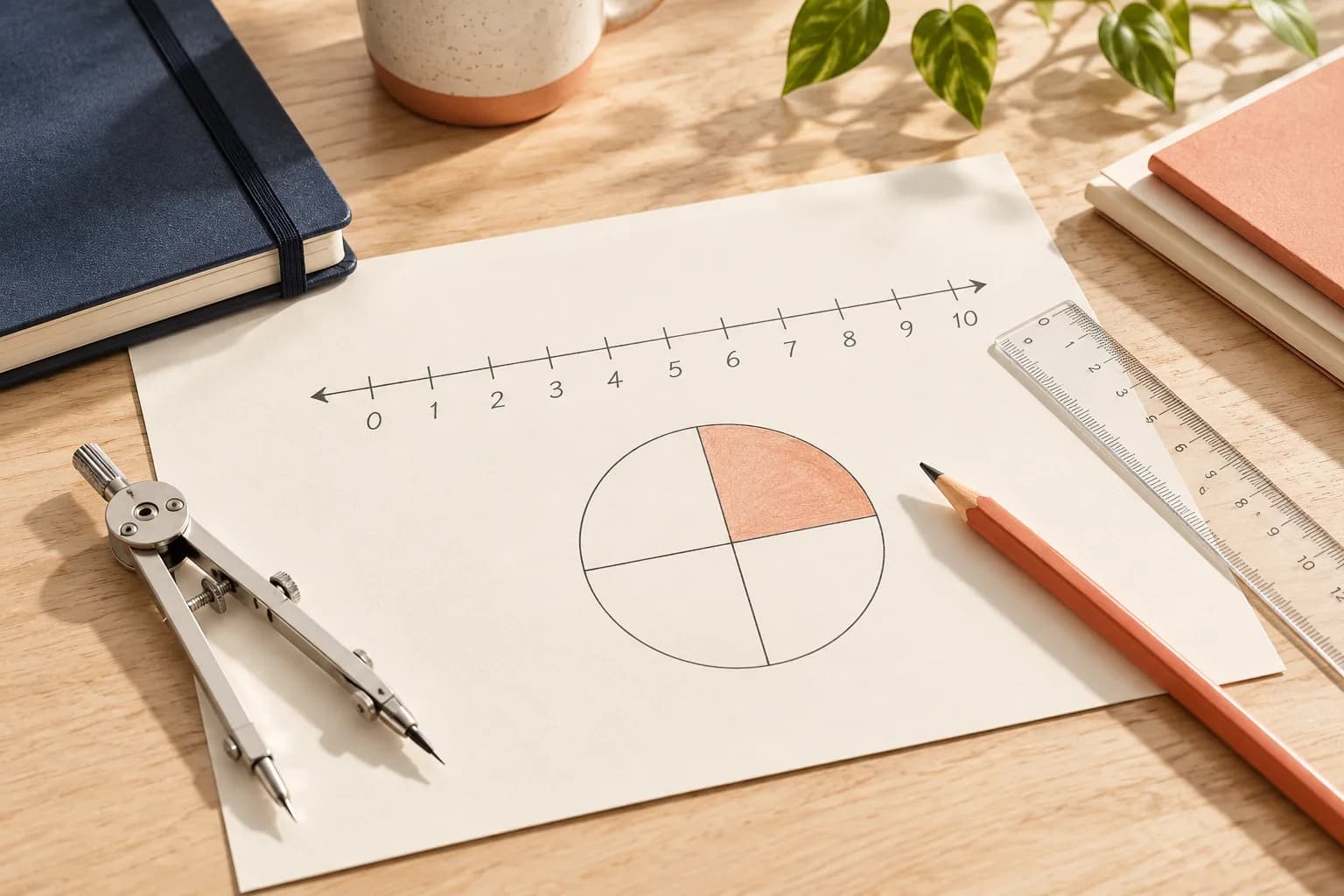
Kindergarten–Grade 3Teach early fractions with paper folding, clear wholes, and equal-part comparisons before asking children to memorize fraction names.
Grades 1–3Turn an incorrect answer into a specific teaching decision by checking the model, strategy, notation, and support a learner needs.
Kindergarten–Grade 3